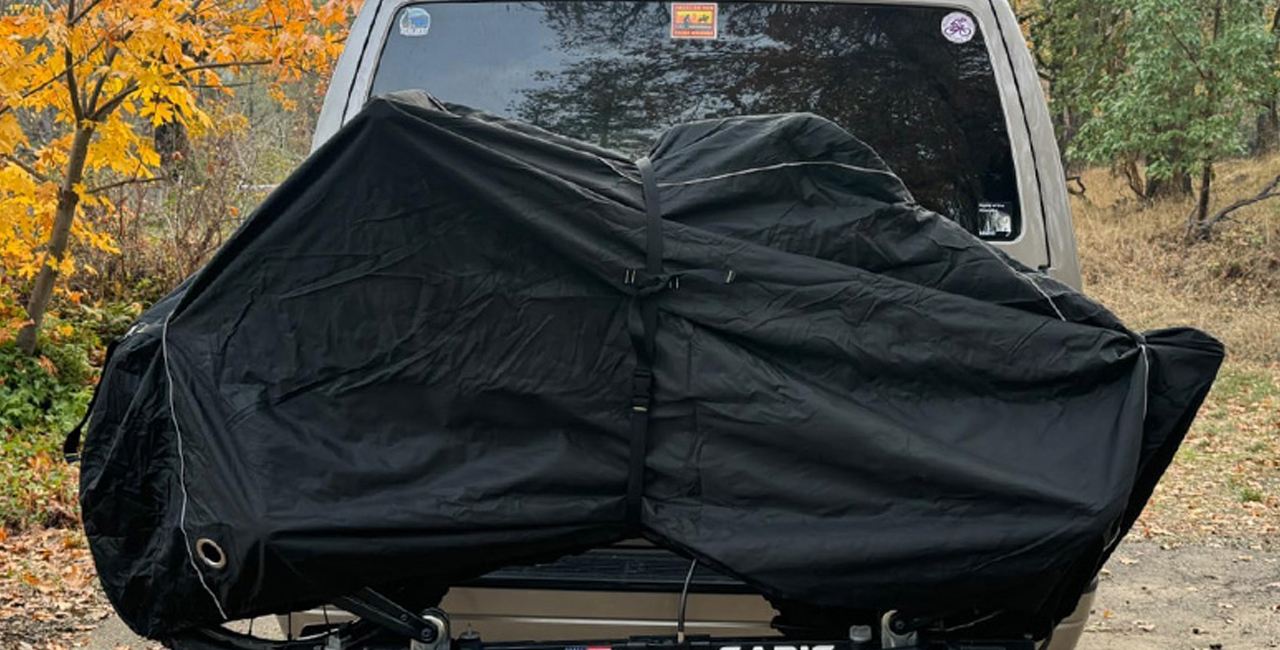
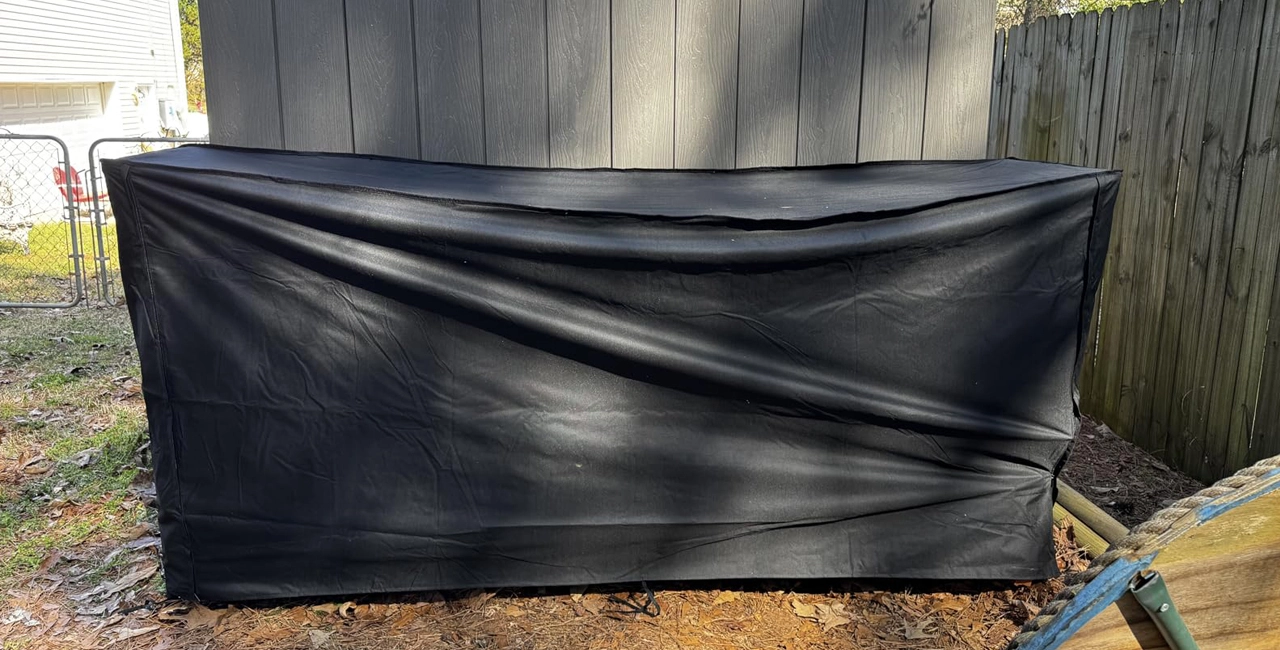
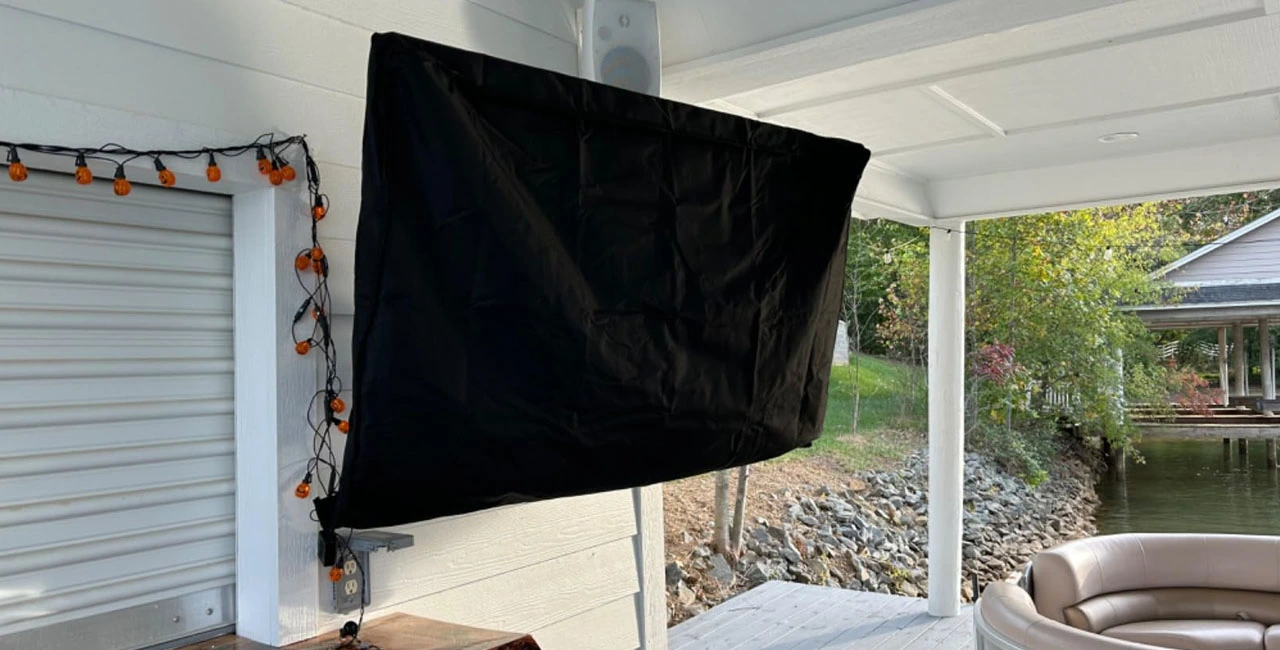
As outdoor grilling becomes increasingly popular, grill covers play a vital role in protecting BBQ grills from weather damage, dirt, and UV exposure. More importantly, they must withstand residual heat from recently used grills—an often overlooked but crucial performance factor.
The Role of Grill Covers
Beyond shielding from dust and rain, grill covers must endure the lingering high temperatures from grills after use. Many users cover their BBQs immediately after cooking, putting the heat resistance of the cover to the test, which is why quality standards at reliable grill cover manufacturers are so critical.
Common Materials and Their Heat Resistance
The most popular grill cover materials on the market include:
Polyester Fabric
Pros: Affordable, lightweight, waterproof.
Cons: Poor heat tolerance; prone to melting or deformation near hot grills.
PVC-Coated Fabrics
Pros: Water and oil resistant; some heat resistance.
Cons: Can become brittle or crack under prolonged heat exposure.
Oxford Fabric with TPU/PU Coating
Pros: Durable, flexible, waterproof; moderate heat resistance.
Cons: May still warp or melt under high heat without special treatment.
Silicone-Coated or Fiberglass Heat-Resistant Fabric
Pros: Withstands 200–400°C; ideal for professional or frequent grillers
Cons: Higher cost; typically used in premium-grade products.
Customer Feedback & Satisfaction Data
A recent survey across the US, Australia, and Japan, covering over 300 end users, revealed:
65% of users want grill covers that are safe to use while the grill is still hot.
Over 50% of returns were due to melting or deformation.
Heat-resistant covers showed a 30% increase in repurchase rate and 60% drop in negative reviews.
Material Selection Strategy for Brands & Manufacturers
To meet various market needs, we recommend offering multiple material tiers:
Entry-Level Products: Oxford + TPU for standard protection against rain, dust, and UV.
Mid-to-High-End Products: Use heat-resistant composite materials to prevent melting or burns.
Hybrid Solutions: Apply heat-resistant patches or linings at high-contact zones (e.g., cover base) to balance cost and performance.
By prioritizing smart material choices and structural design, brands can significantly increase product durability, reduce complaints, and enhance customer loyalty.

 English
  Deutsch
  中文
中文