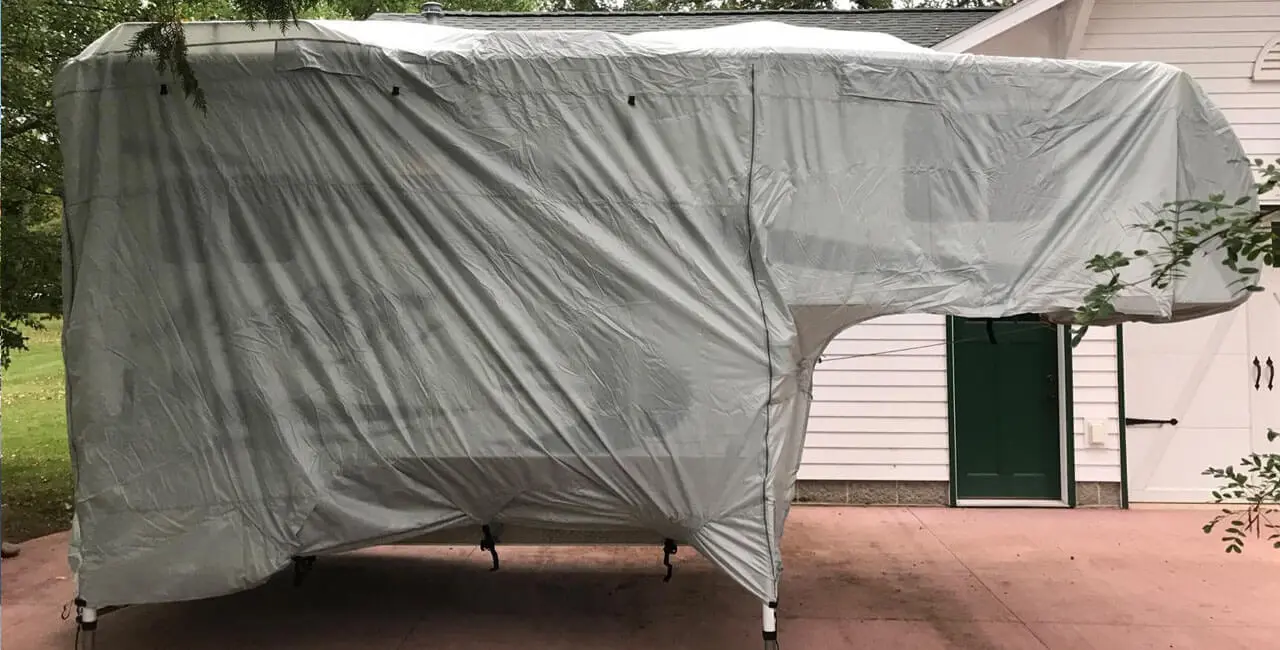
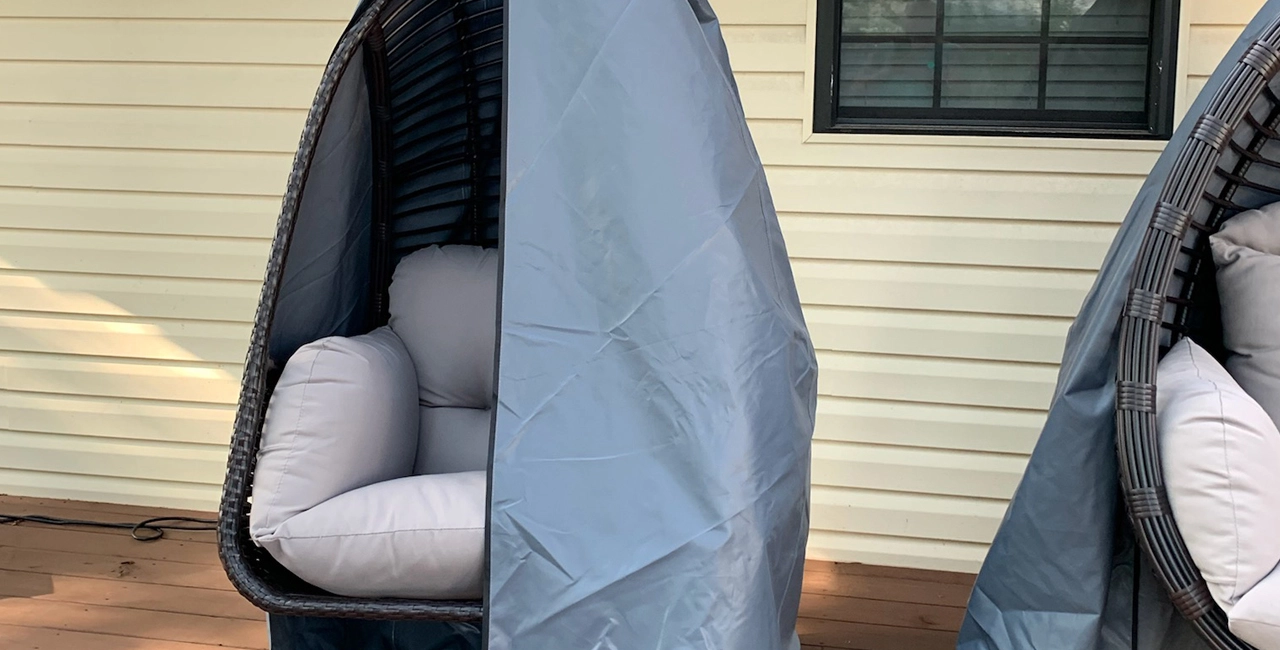
The rise of at-home fitness culture, including garage gyms and backyard training setups, has led to a surge in outdoor fitness equipment usage. While this trend keeps workouts accessible and convenient, it introduces a formidable foe: nature. The combination of moisture, oxygen, and daily wear-and-tear can wreak havoc on gym equipment. Rust and oxidation silently creep in, damaging and weakening your investment over time.
This guide dives into everything you need to know about fitness equipment covers and how to prevent rust, UV damage, and wear to extend the life of your outdoor gear. With a few preventative measures, you can protect your investment and ensure that weather doesn’t dictate your fitness routine.
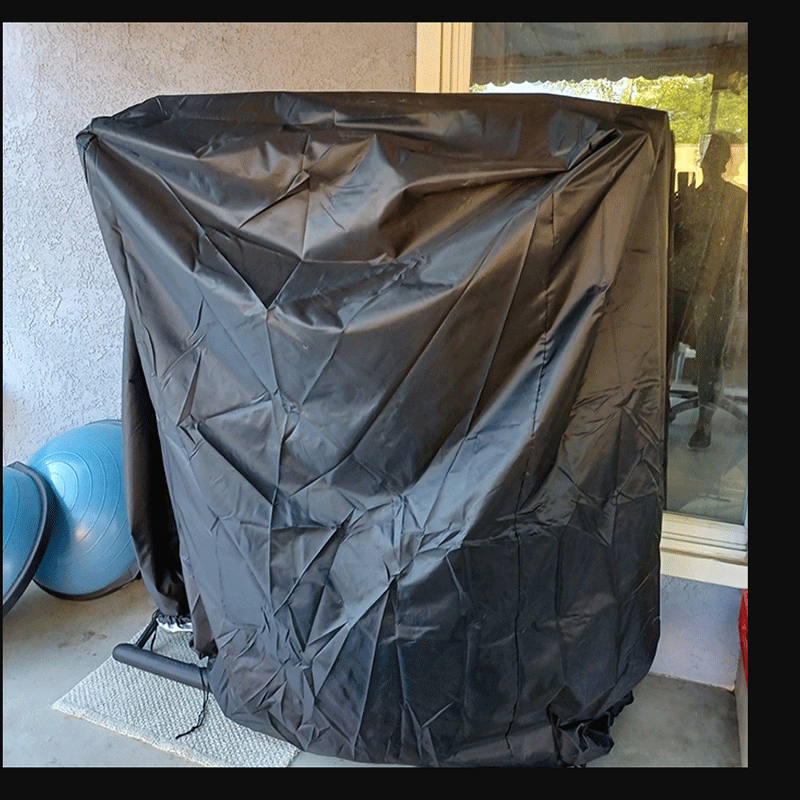
Why Gym Equipment Rusts: The Science Behind Corrosion
Before jumping into solutions, it’s important to understand why outdoor gym equipment rusts in the first place. Knowing the "why" helps you implement the "how" much more effectively.
1. Humidity & Condensation
It's not just rain causing issues; the dew point is a key factor. In the early morning or after a temperature drop, condensation forms on the metal surface of your equipment, creating a continuous moisture layer—ideal for rust formation.
2. UV Damage
The sun’s powerful UV rays can degrade protective coatings, such as powder coatings or painted finishes. Once this barrier is compromised, the raw metal underneath is vulnerable to oxidation.
3. Salt Air
If you live in a coastal area, salt becomes a significant accelerant for corrosion. Salt particles in the air cling to metals and attract moisture, dramatically speeding up the rusting process. This is why even "stainless steel" doesn't stay pristine in salty environments.
Step-by-Step Prevention Strategy for Outdoor Fitness Equipment
Preventing your gym equipment from rusting and deteriorating requires a proactive approach. Here’s a practical step-by-step guide:
Step 1: Clean and Dry Regularly
Cleaning sweat and debris off your equipment might sound like an obvious step, but it’s often overlooked. Sweat contains salt, which can accelerate corrosion. Always wipe equipment dry before covering it. Never seal in moisture with a cover, as trapped humidity will perpetuate rust formation.
Step 2: Apply a Protective Layer
For moving parts, silicone-based lubricants or rust inhibitors can act as a protective barrier. Apply these sprays to bolts, handlebars, and hinges periodically to reduce metal's exposure to moisture and friction.
Step 3: Elevate Your Setup
Ground moisture can rise, especially if your equipment is placed directly on grass, dirt, or concrete. Elevating your gym setup with rubber mats or interlocking tiles prevents equipment from sitting in pooled water or dew.
Step 4: Use High-Quality Fitness Equipment Covers
The most effective solution is to invest in a heavy-duty, weatherproof fitness equipment cover. This is your first line of defense against rain, UV damage, and morning dew.
Choosing the Right Fitness Equipment Covers
Not all covers are created equal. A random tarp might seem like a quick fix, but it’s likely to create more problems than it solves. Here’s what to look for when choosing a fitness equipment cover:
1. Material Quality
Cheap tarps often trap moisture rather than repelling it. Look for breathable, waterproof materials like 600D Oxford fabric with PVC coating. Advanced materials ensure water wicks off while allowing air circulation to prevent mold and mildew.
2. UV Resistance
A cover with UV-resistant coatings protects against harmful sun rays that can degrade both the cover and the gym equipment. Over time, this prevents cracking, fading, and brittleness.
3. Secure Fit
A snug, custom-fit cover will prevent wind-lofting, where high winds blow your cover off or leave parts of the equipment exposed. Select covers with adjustable drawstrings or anchor points for maximum security.
4. Waterproof vs. Water-Resistant
True waterproof covers ensure that no water penetrates the surface, while water-resistant covers might only repel light splashes. For outdoor setups, opt for fully waterproof options to protect your equipment from heavy rainfall.
Pro Tip: Check out our heavy-duty fitness equipment covers for options designed specifically for outdoor gyms.
Maintenance Checklist for Outdoor Fitness Equipment
Prevention doesn’t stop at buying a cover. Regular maintenance is key to keeping your equipment in top shape and extending its lifespan.
Weekly Maintenance:
Monthly Maintenance:
Seasonal Maintenance:
Inspect the integrity of your fitness equipment cover.
Change out or refresh protective sprays if you’re in a high-humidity region.
Check bolts, screws, and structural joints for wear or damage caused by exposure to elements.
Protecting Your Investment: The Bottom Line
Rust is not just cosmetic—it compromises the structural integrity of your fitness equipment and reduces its lifespan significantly. By investing in high-quality fitness equipment covers and establishing a consistent maintenance routine, you can protect the value and usability of your outdoor gym gear.
Cost vs. Value
Consider the cost-benefit analysis: a premium fitness equipment cover is a fraction of the price of replacing a treadmill, power rack, or rowing machine. Add the convenience of uninterrupted workouts, and the choice to protect your investment becomes clear.
Ready to Protect Your Gym?
Don’t let the weather dictate your workouts. Browse our Custom Fitness Equipment Covers to safeguard your outdoor gear from rust, rain, UV damage, and more. Your equipment deserves the best defense—choose covers that work as hard as you do.
FAQ: Frequently Asked Questions
1. Can I leave my treadmill outside if it’s covered?
Yes, as long as the cover is waterproof, breathable, and UV-resistant, your treadmill will be adequately protected from the elements.
2. How do I stop rust that’s already formed?
Start by using a wire brush or sanding block to remove the rust. Follow this with a rust-resistant primer and, if necessary, a touch-up paint to seal the surface.
3. Are grill covers the same as fitness equipment covers?
While similar in concept, grill covers aren’t designed for gym equipment. Fitness equipment covers often feature custom fits, breathable fabrics, and technical specifications specifically for workout gear.
By focusing on the science of corrosion, practical prevention tips, and the importance of custom covers, this guide gives you the tools to protect your outdoor gym for years to come. Remember, investing in protection today saves you from costly repairs and replacements tomorrow.# Markdown syntax guide

 English
  Deutsch
  中文
中文