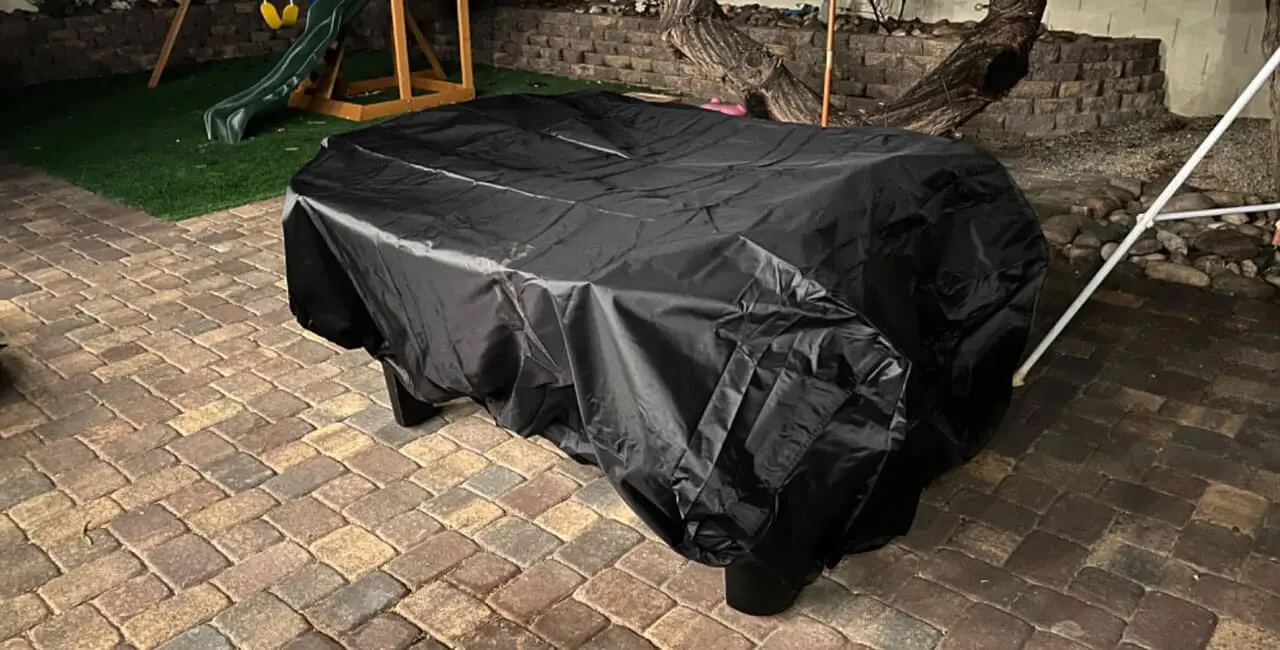
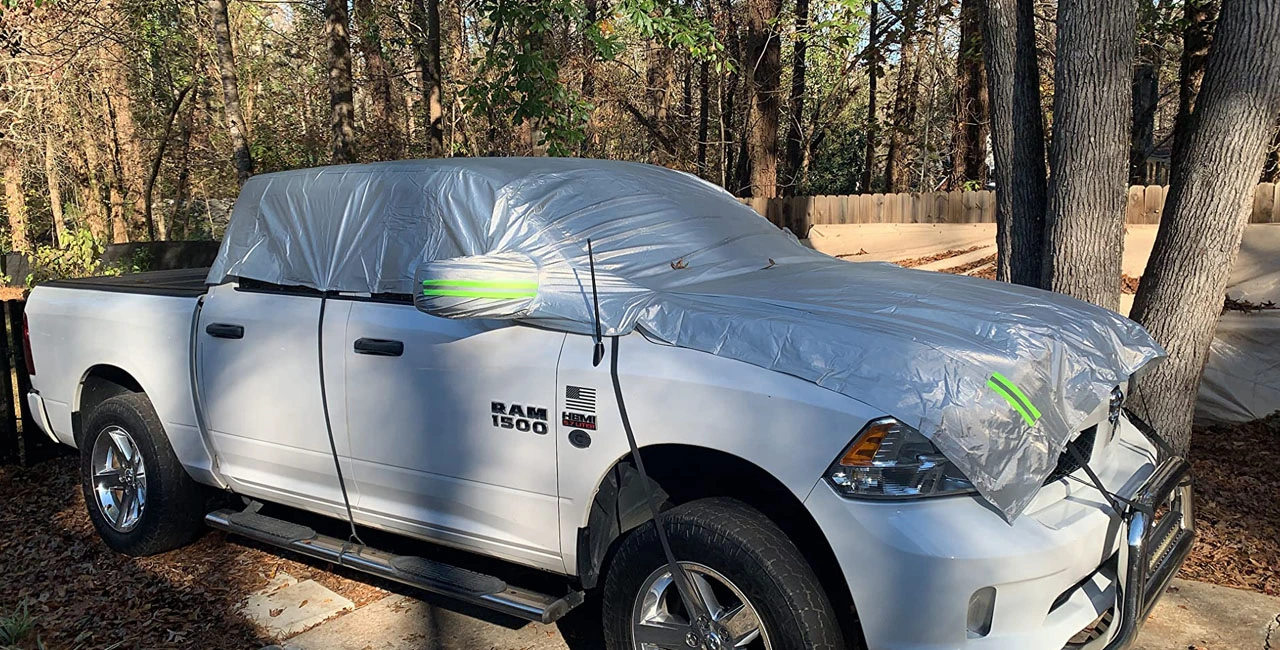
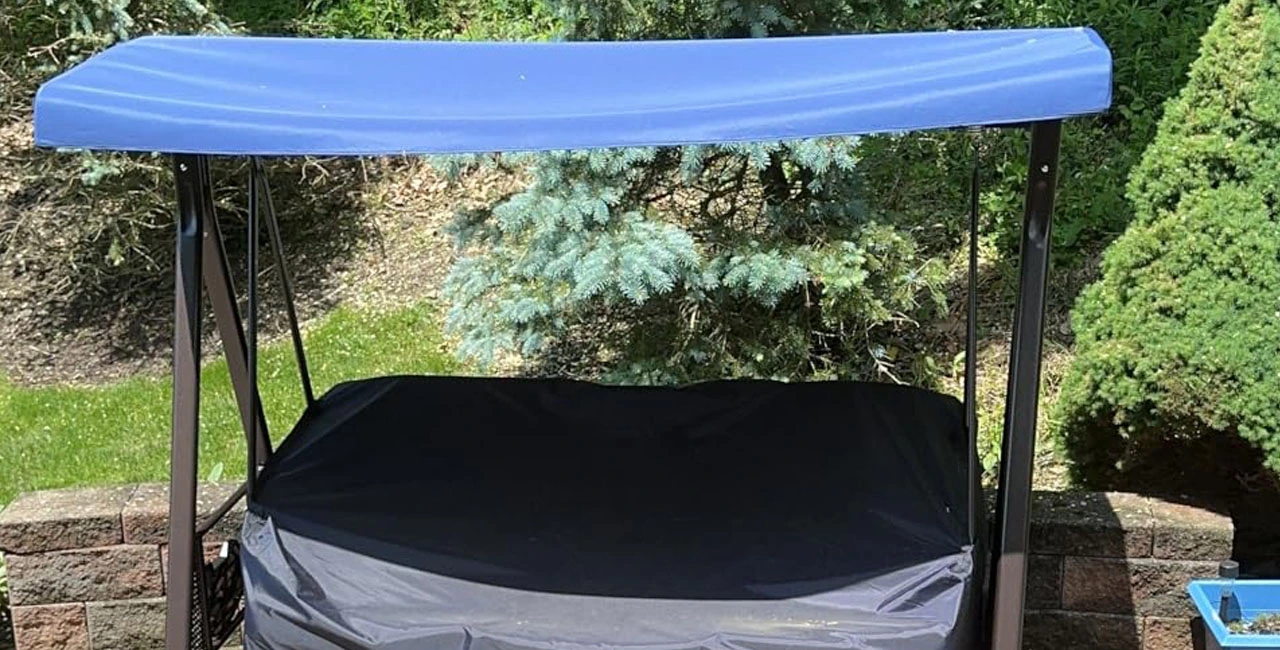
An outdoor sofa does not need protection from just one type of weather. A cover may face a hot afternoon, overnight rain, dust carried by the wind and repeated folding and unfolding, sometimes within the same week. Over time, those small stresses matter more than a single heavy rainstorm. This is why choosing an outdoor sofa cover should start with the conditions the furniture will actually face, rather than simply looking for the thickest or most heavily coated fabric.
The same principle applies when comparing patio furniture set covers. A set cover has to work across different furniture shapes while remaining easy to put on, remove and store. Material is important, but it is only one part of the equation. The fabric, coating, seams, fastening system and overall fit need to work together if the cover is expected to provide dependable protection season after season.
Why Material Selection Matters for Sofa Covers
The material determines much of how a sofa cover feels and performs in everyday use. Outdoor covers need to handle moisture, sunlight, abrasion and temperature changes without becoming unnecessarily difficult to handle.
Water resistance is naturally one of the first things buyers look at, but it should not be treated as the only measure of quality. A fabric can perform well against surface water and still have weaknesses at seams, corners or fastening points. Likewise, a very rigid material may provide substantial protection but make a large cover difficult to install or fold.
For patio furniture set covers, the material choice can be even more noticeable because a larger cover needs to move around several pieces of furniture. Sofas, chairs and tables may have different heights, corners and gaps. A fabric with reasonable flexibility can make it easier to achieve a close fit without putting excessive stress on the cover.
OEM buyers should therefore consider material performance together with the actual construction of the finished cover. The most appropriate material is the one that fits the intended environment and product positioning, not necessarily the one with the highest specification in every category.
Common Material Performance Factors
When comparing outdoor cover materials, several characteristics deserve attention because they influence how the finished product behaves over time.
Water Resistance
Rain protection is a basic requirement for most outdoor furniture covers. The fabric itself is only part of the solution, however. The coating, fabric structure and sewing process all affect how water is kept away from the furniture.
Seams deserve particular attention because they can become weak points in an otherwise well-protected cover. Areas around corners, handles and closures may also experience more tension or movement. For this reason, water resistance should be evaluated on the finished cover rather than assumed from the fabric description alone.
UV Exposure
Outdoor furniture covers can spend many hours in direct sunlight. Continued UV exposure may contribute to fading and gradual material degradation, particularly when the cover remains outside for long periods.
This makes UV-related performance especially relevant for products intended for sunny climates. Color also has a practical commercial role. Even when a cover remains structurally functional, noticeable fading can affect how customers perceive its quality.
Tear and Abrasion Resistance
A cover experiences mechanical stress every time it is pulled over furniture. Corners, armrests and table edges can rub against the fabric, while repeated folding and unfolding can create additional wear.
This matters even more for patio furniture set covers, which are generally larger and may be moved across several pieces during installation. A suitable material needs enough resistance for the expected handling conditions without becoming so heavy that everyday use becomes inconvenient.
Flexibility and Ease of Handling
Outdoor furniture is rarely a simple rectangular shape. Deep seating, curved backs, wide armrests and different table heights all affect the way a cover sits on the furniture.
Material flexibility therefore has a direct connection with user experience. A cover that is difficult to pull into position may discourage customers from using it regularly. For residential applications in particular, convenient installation and removal can be just as important as raw material strength.
Moisture Management
Weather protection and moisture management need to be considered together. Depending on the climate and application, moisture trapped beneath a cover may become an issue if there is insufficient airflow.
The appropriate solution depends on the design and intended use. Some applications may benefit from ventilation features, while others may place greater emphasis on overall water protection. The important point is to define the expected environment before deciding how the cover should be constructed.
Fit and Construction Matter as Much as Fabric
Even a high-quality fabric can produce disappointing results when the cover does not fit the furniture properly. Measurements should account for the overall length, depth and height as well as cushions, armrests, backrests and other features that change the shape of the furniture.
With patio furniture set covers, there is another question to answer: will several pieces be covered together, or will each item receive its own cover? A single cover can create a cleaner overall appearance and reduce the number of separate pieces to store, but it also needs to accommodate the combined shape of the furniture. Individual covers can provide a closer fit but require more pieces to handle and store.
The fastening system should follow the same logic. Elastic hems can help create a closer fit, while drawcords and buckles can help keep the cover in position when wind becomes a concern. The best configuration depends on the furniture shape and how frequently the cover will be installed and removed.
Ventilation features can also be useful where the application calls for them. Their position should be considered carefully so that they support airflow without creating an unnecessary path for rain. Seams and attachment points should likewise be designed around areas that experience repeated tension.
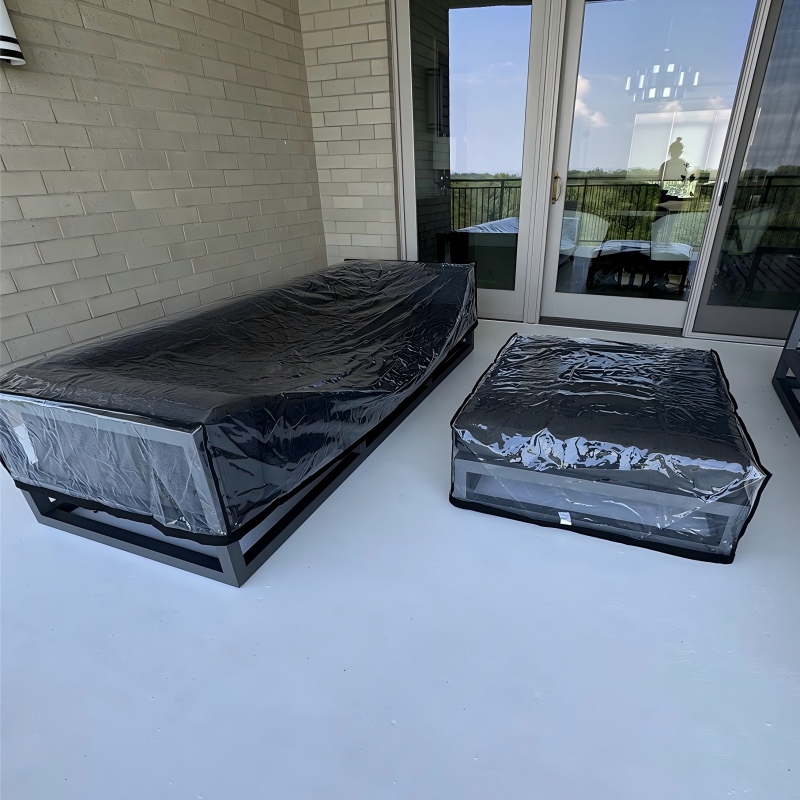
How Different Materials Compare for Outdoor Furniture Covers
There is no single fabric that is automatically right for every outdoor furniture application. Buyers should compare materials according to the conditions in which the finished cover will be used.
| Material Approach | Typical Advantage | Potential Trade-Off | Where It May Fit |
|---|
| Coated polyester | Good balance of flexibility, weight and weather protection | Final performance depends on fabric construction and coating | General outdoor sofa and furniture covers |
| Heavy-duty coated fabric | Greater resistance to demanding handling and outdoor exposure | May be heavier and less convenient to fold | Longer-term or more demanding outdoor applications |
| Lightweight weather-resistant fabric | Easy to handle and store | May not be suitable for high-abrasion environments | Furniture covers that are frequently removed |
| Breathable outdoor fabric | Can support airflow and moisture management | Requires careful design around the required level of water protection | Applications where moisture management is important |
The table provides a general comparison rather than a performance guarantee. Actual results depend on the specific fabric specification, coating, sewing construction and environmental exposure. For an OEM project, these variables should be confirmed with samples and appropriate testing before production quantities are finalized.
OEM Customization Beyond the Logo
For an OEM buyer, customization is usually more meaningful than simply placing a logo on a standard cover. The finished product needs to make sense as a complete solution, from material and dimensions to fastening, appearance and packaging.
Color can be selected to match the furniture or the visual identity of the product range. Dimensions can be developed around specific furniture models, while labels and packaging can be aligned with the intended sales channel. Construction details can also be adjusted where the application calls for a different balance between protection and convenience.
For buyers comparing different cover configurations, the OEMCOVER product range provides a natural starting point for reviewing available outdoor cover solutions. This is particularly useful when a project involves more than one furniture type and the covers need to maintain a consistent appearance.
When the requirement is for patio furniture set covers, providing actual furniture dimensions and photographs can make the development process much more straightforward. A photograph can reveal details that a measurement sheet may miss, such as unusual arm shapes, exposed table edges or the way several pieces are positioned together.
Packaging should also be considered before the final specification is locked in. A large furniture cover has to be folded into a practical package for transportation, storage and retail presentation. The way it is packed can affect both logistics and the customer's first impression of the product.
How to Test a Sofa Cover Before Mass Production
A sample should be tested on the furniture it is intended to protect. This is one of the simplest ways to identify problems that may not be visible from dimensions on paper.
Begin by checking the overall fit. The cover should reach the intended areas without creating large amounts of unnecessary loose material. Installation and removal should also be tested by someone who represents the eventual user. If the cover is difficult to position correctly, customers may be less likely to use it consistently.
Next, examine seams, corners and fastening points. These areas can experience repeated tension, particularly when a large cover is pulled into position. Hardware should also be checked for ease of use and secure attachment.
Weather-related evaluation should match the intended market. Water resistance can be tested using an appropriate method, while durability requirements should reflect expected sunlight, handling and abrasion. The goal is not to create an artificial test scenario but to understand whether the cover is suitable for the conditions it will actually face.
For patio furniture set covers, testing the complete furniture arrangement is especially useful. The interaction between different pieces can affect how the cover sits, where tension develops and whether water or debris can collect in certain areas.
A Practical OEM Specification
A good specification does not need to be complicated. It simply needs to contain the information that determines how the finished cover should perform.
Start with the furniture type and dimensions. For a set, describe how the sofa, chairs and table are arranged and whether they will be covered together. Then define the expected outdoor conditions, preferred material or required material performance, color, fastening method and packaging requirements.
Photos are particularly useful when furniture has curved sections or unusual proportions. If a physical sample is available, providing it can make the intended fit much clearer than measurements alone.
It is also helpful to separate essential requirements from preferences. Water protection and correct dimensions may be fundamental, while a particular packaging format or color can sometimes be adjusted during development. This distinction gives both sides more room to solve technical issues without changing the core purpose of the product.
For buyers developing several coordinated covers, it makes sense to define the range together. A sofa, chair and table cover can use the same material family and overall visual language while still being designed around the dimensions of each individual piece.
Once the basic requirements are clear, discussing the details directly with a supplier can prevent unnecessary revisions later. Buyers who already have furniture dimensions, photographs or samples can contact OEMCOVER with those details so the initial conversation can focus on the actual cover requirements rather than general assumptions.
Conclusion
The right sofa cover material is not necessarily the thickest, heaviest or most heavily coated option. What matters is how well the material works with the furniture, the climate and the way the cover will be used.
Water resistance, UV exposure, tear strength, abrasion resistance, flexibility and moisture management all influence performance, but the finished result also depends on fit, seams, closures and ventilation. This becomes particularly important when selecting patio furniture set covers, because one cover may need to work across several pieces of furniture with different shapes and dimensions.
For OEM buyers, the most reliable approach is to define the real application first, select materials according to those conditions and then validate the finished design on representative furniture. When material and construction decisions are made together, the cover is more likely to provide dependable protection while remaining practical for the customer to use.
FAQ
1. What material is best for outdoor sofa covers?
There is no single best material for every application. The right choice depends on water resistance, UV exposure, durability, flexibility, moisture management and how frequently the cover will be handled.
2. What are patio furniture set covers used for?
Patio furniture set covers are designed to protect coordinated outdoor furniture arrangements from rain, sunlight, dust and general outdoor exposure. Their design needs to account for the combined shape of the furniture.
3. Is a thicker cover always better?
No. Thickness alone does not determine performance. Fabric construction, coating, seam quality, fit and fastening can be equally important.
4. Should an outdoor sofa cover be completely waterproof?
The required level of water protection depends on the application and climate. Water resistance should be considered alongside moisture management and ventilation.
5. What information is needed for custom patio furniture set covers?
Useful information includes furniture dimensions, photographs, furniture arrangement, material requirements, color, fastening preferences, branding details and packaging expectations.
6. How can an OEM buyer test a sofa cover before production?
Test a sample on the actual furniture and check its fit, installation, removal, seams, fastening points and weather-related performance under conditions representative of the intended market.

 English
  Deutsch
  中文
中文