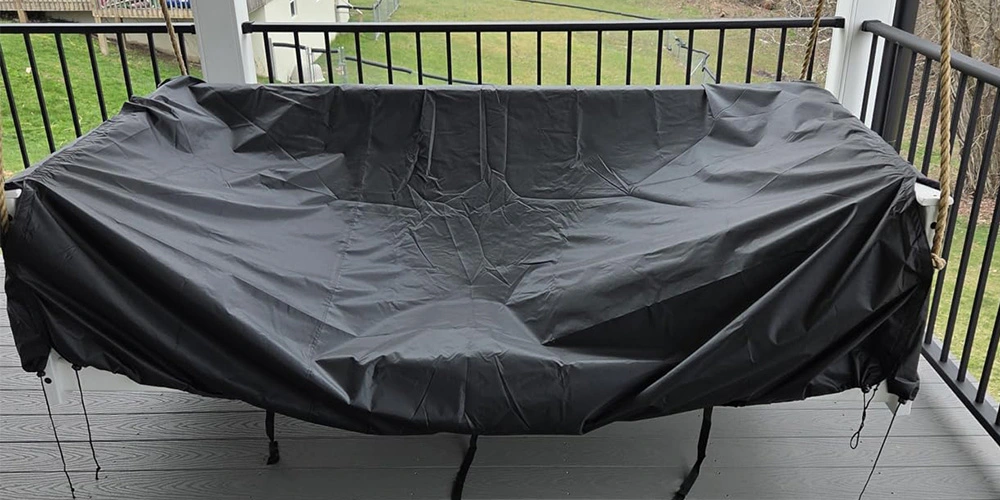
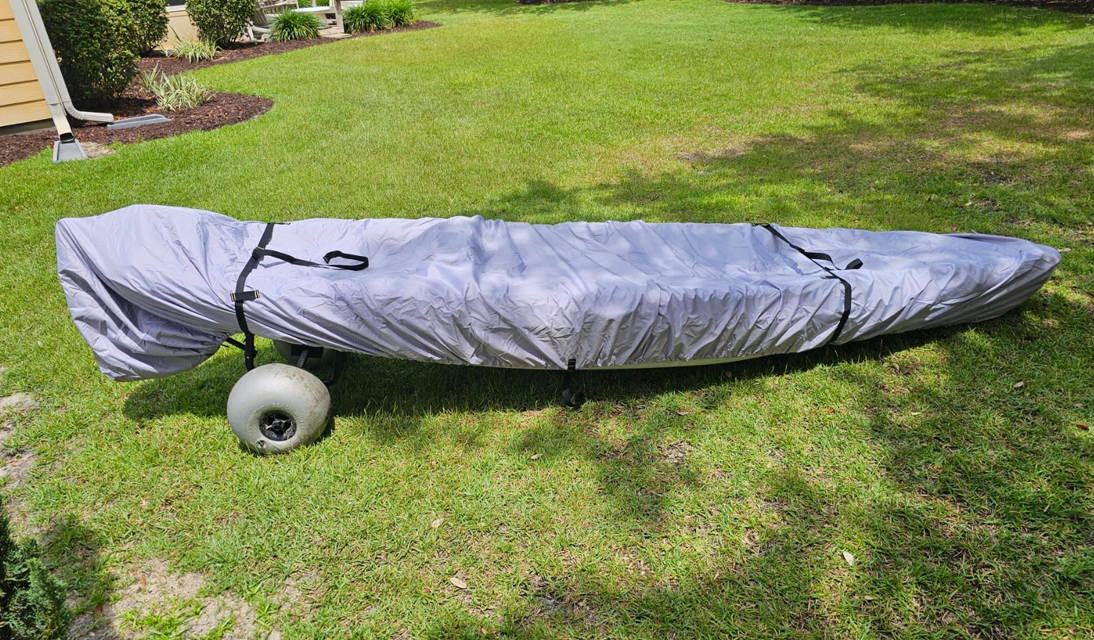
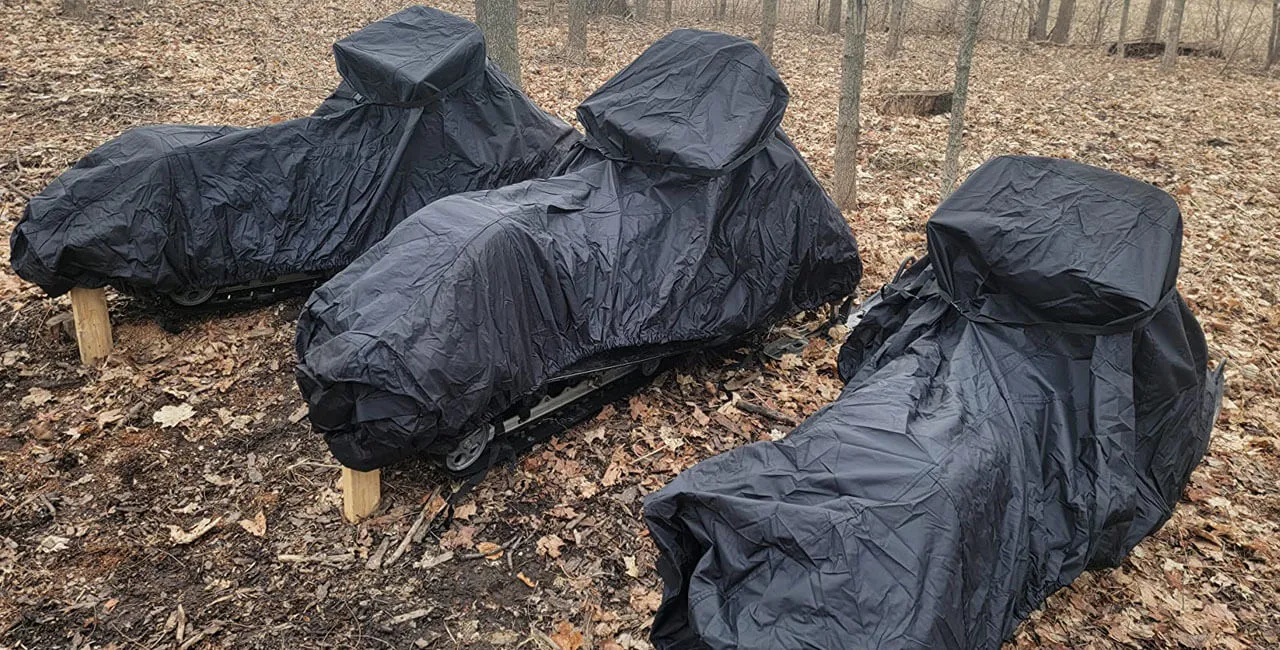
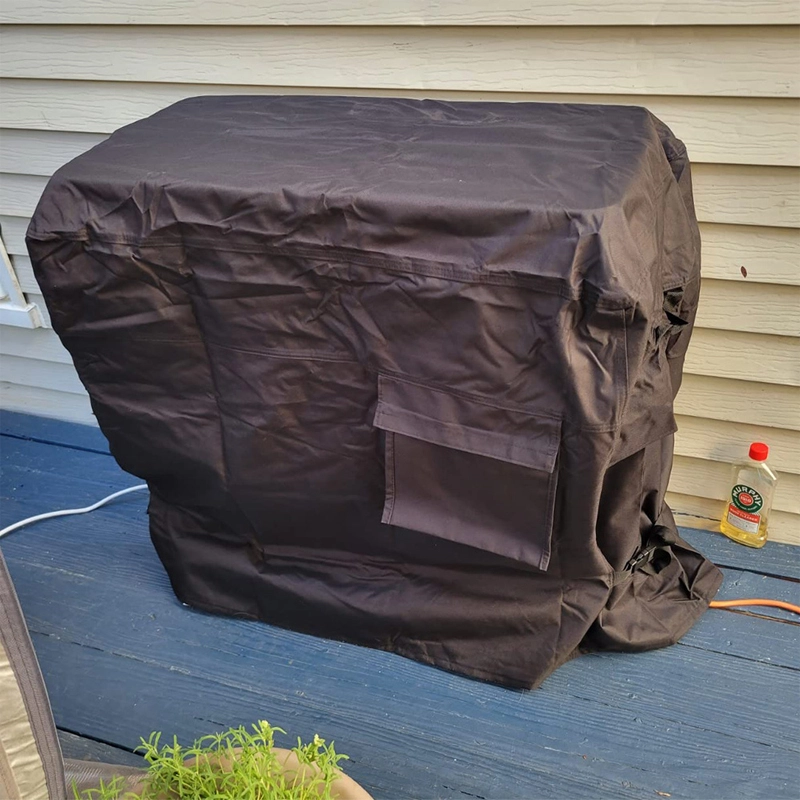
A cooler cart cover protects a wheeled serving unit from rain, UV, dust, and storage damage. Unlike a static furniture cover, it must accommodate handles, lids, bottle openers, shelves, drains, and wheel geometry while remaining easy for staff to install.
Material selection should reflect whether the cart is covered only after cleaning, stored outdoors year-round, transported between venues, or kept under a roof.
Map the Equipment and Access Points
Maximum body, lid, handle, and shelf dimensions
Raised or folded handle positions during storage
Protruding drains, hooks, openers, and hinges
Wheelbase and preferred lower clearance
Hot spots or wet surfaces after service/cleaning
Where staff can reach zippers, straps, and handles
For custom cooler cart covers, use a production-intent cart rather than only catalog dimensions. Accessories added by retailers can change the maximum envelope.
Compare Fabric Constructions
| Construction factor | Selection question |
|---|
| Base textile | Required strength, weight, abrasion, and drape |
| Coating/lamination | Water resistance, flexibility, and hydrolysis/temperature needs |
| Surface finish | Cleanability, color, and branding appearance |
| UV package | Target outdoor exposure and test method |
| Backing | Could it abrade painted or stainless surfaces? |
| Compliance | Restricted substances and market-specific requirements |
Fabric denier cannot substitute for finished-fabric test data. Ask for mass, thickness, tensile/tear, coating adhesion, water test, and aging conditions for the exact construction.
Design for Drainage and Drying
A cover should be installed on a clean cart according to the equipment owner’s instructions. For outdoor protection products such as a snow blower cover, residual water trapped below coated fabric can promote odor or corrosion on vulnerable components. Provide vents where they will not become direct rain openings and shape the top so it does not hold a pool over the equipment.
Set lower clearance above wet ground and keep wheel openings from scooping splash. If the cover remains during transport, that is a separate load case requiring specific restraint and abrasion validation.
Reinforce High-Contact Areas
Handle tips, lid corners, hinges, and openers can concentrate wear. Use pattern shaping, patches, or smoother inner guards at those points rather than making the entire cover unnecessarily heavy. Ensure reinforcement edges do not create new rub lines.
Pull handles should transfer force through reinforced seams. Test repeated removal after the cover has been cold, wet, and folded.
Commercial Program Controls
Approve logo size/position, care label, warning text, storage bag, barcode, and carton assortment alongside the cover. Define inspection points for dimensions, stains, sewing, skipped stitches, hardware, water test, and pack-out.
When several cart sizes share branding, use unique style codes and visible size labels. Mixed-size packing errors can create more returns than a minor fabric variation.
Frequently Asked Questions
Can a cooler cart be covered while wet?
Follow the equipment instructions. Trapping water can cause odor, staining, or corrosion; ventilation does not replace cleaning and drying.
Is polyester or solution-dyed fabric better?
The answer depends on the exact yarn, coating, and UV/color specification. Compare finished-fabric test data.
Should the wheels be covered?
Often the hem ends above the ground for drainage and movement, but the target depends on storage and protection needs.
What sample tests matter most?
Check fit/access, water shedding, seam strength, abrasion points, UV/color, hardware cycles, and production packaging.
Specify the Service Routine
OEMCOVER can develop a pattern around the cart, accessories, and staff workflow. Include storage climate, cleaning routine, branding, annual volume, and test requirements so the material and construction match real service.

 English
  Deutsch
  中文
中文