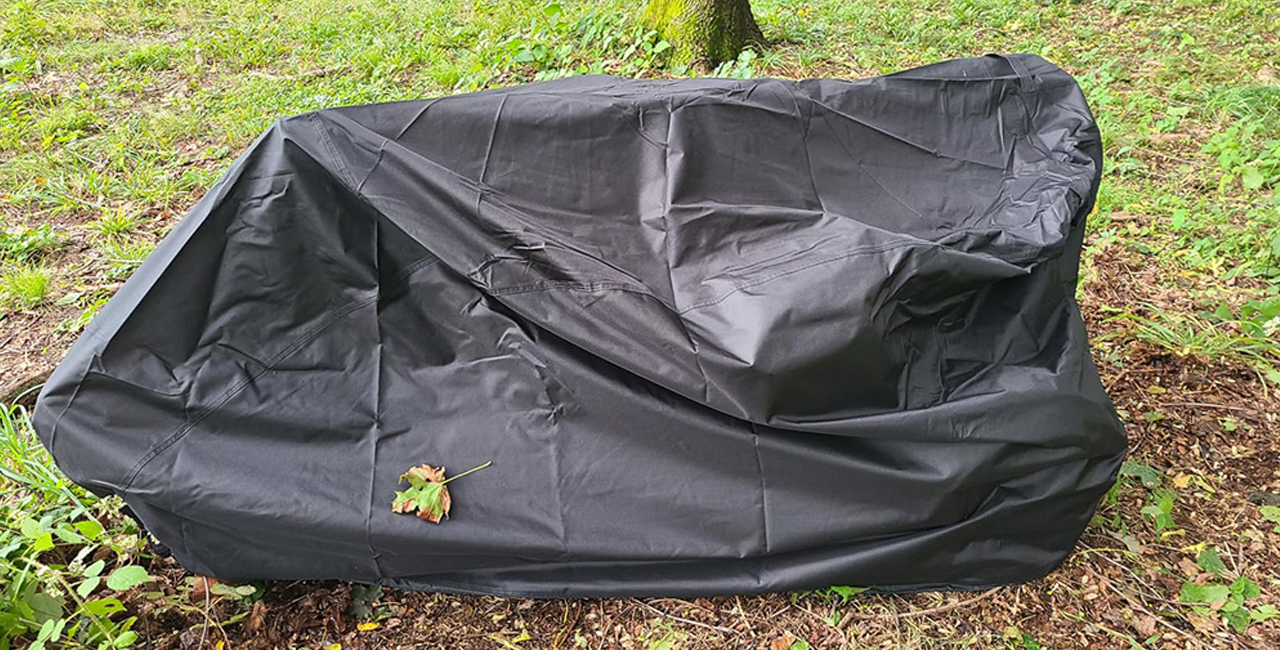
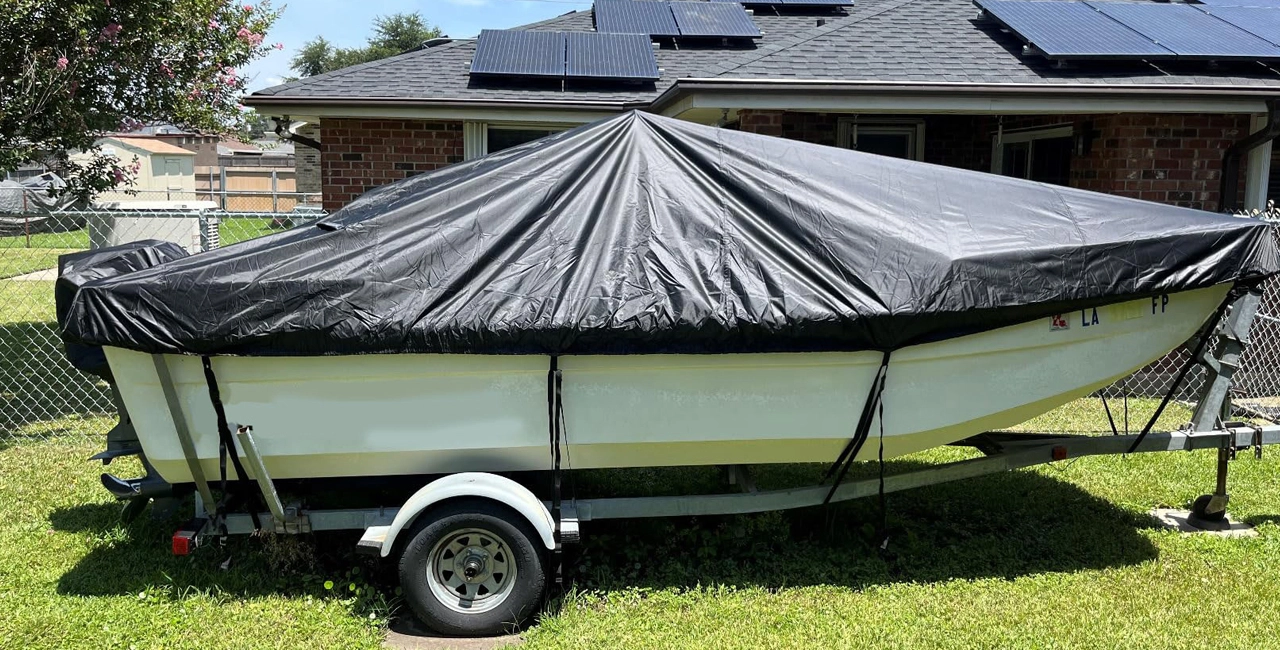
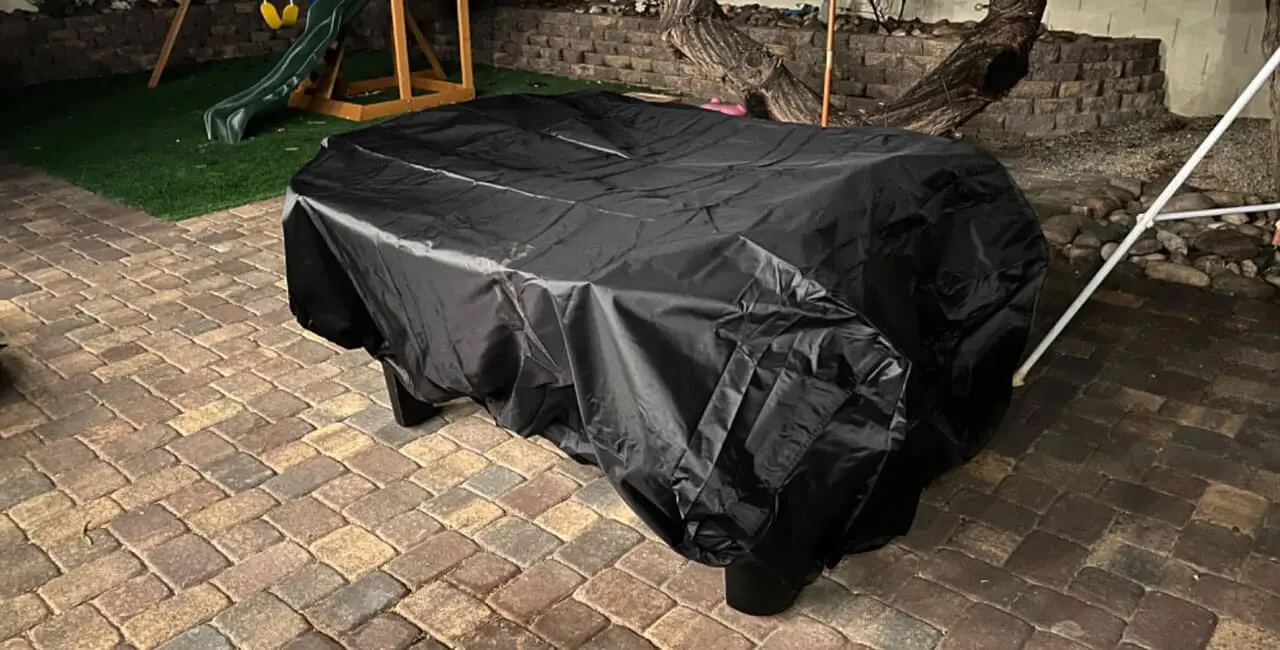
An outdoor cushion cover is easy to overlook until the furniture has to face a week of rain, strong sunlight, dust and repeated handling. At that point, small design decisions become important. A cover that is slightly too loose can shift in the wind, while one that is too tight may be difficult to install. The wrong fabric can provide water resistance but become awkward to fold and store.
For OEM buyers, the goal is not to make the heaviest or most weather-resistant cover possible. It is to create a product that provides the right protection while remaining practical for customers. This is especially important for a patio sofa cover, where the larger size and more complex furniture shape make fit, material and construction closely connected.
Why Cushion Covers Need a Different Approach
Outdoor cushions are exposed to rain, sunlight, dust and frequent movement. Unlike hard furniture surfaces, cushions can retain moisture, so simply preventing rain from reaching the surface is not always enough. The cover should also be suitable for the way the furniture is stored and used.
A cover used for overnight protection may have different requirements from one left on furniture for an extended outdoor period. Frequency of handling matters as well. Repeated installation and removal can place stress on hems, seams and closures, making construction quality an important part of the specification.
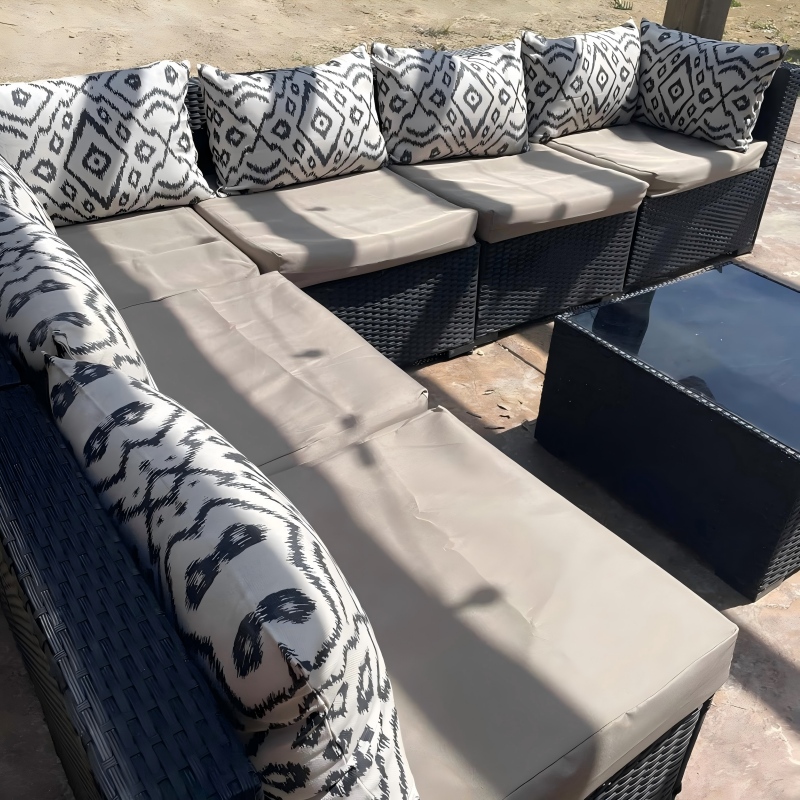
A patio sofa cover has an additional challenge because it needs to accommodate the sofa's complete profile, including cushions, armrests and back sections. It should be designed around the furniture rather than treated as a simple oversized fabric sheet.
Start With Cushion Dimensions and Shape
Accurate measurements are the starting point for a reliable cover. Record the length, width and thickness of each cushion, then note rounded corners, tapered edges, piping and other features that affect the shape.
OEM buyers should also decide whether cushions need individual covers or whether several cushions can be protected together. Individual covers can be easier to remove and organize, while combined protection may reduce the number of separate pieces customers need to handle.
Fit allowances should be controlled carefully. Excessive looseness can allow wind and water to enter, while insufficient clearance can make installation difficult. A patio sofa cover needs enough room for practical installation without creating unnecessary folds or movement.
Photos and technical drawings can make the specification clearer, especially when the furniture has unusual geometry. They allow the supplier to understand the actual shape before pattern development begins.
Fabric Performance for Outdoor Use
Material selection should follow the expected environment. Outdoor cushion covers commonly need a balance of water resistance, UV resistance, abrasion resistance, tear strength and flexibility. Seam durability is equally important because corners and joining points may experience repeated stress.
Water resistance should not be considered separately from moisture management. If the cover remains over the furniture for long periods, the design may need to consider airflow and the possibility of moisture accumulating beneath the cover.
UV exposure is another consideration for outdoor products. A cover used in direct sunlight can experience very different conditions from one used under a roof. Material aging and color stability should therefore be considered according to the target application.
Fabric weight alone is not a reliable measure of quality. A heavier fabric may offer greater durability but can also make a large patio sofa cover more difficult to install, fold and store. The better choice is the material that provides the required performance without creating unnecessary handling problems.
Construction Details That Improve Usability
Closures and reinforcement can have a significant effect on the user experience. Elastic edges can help maintain a close fit, while drawcords provide adjustable tension. Zippers and hook-and-loop closures can create convenient access points, and buckles or straps can improve stability in exposed conditions.
The right closure depends on the furniture and how often the cover will be used. A cover removed every day should be simple to operate, while one intended for longer-term outdoor storage may place greater emphasis on secure fastening.
Seams and corners should receive particular attention because they can experience more stress than the main fabric panels. Reinforcement can be added where necessary without making the entire product unnecessarily complex.
For large covers, handles can also improve usability by giving the customer a convenient place to grip the product during installation or removal. OEMCOVER's product range provides a useful reference when comparing different outdoor furniture protection configurations, including applications where a patio sofa cover needs to work as part of a coordinated furniture protection range.
Comparing Common Outdoor Cushion Cover Approaches
| Cover Approach | Main Advantage | Potential Limitation | Suitable Application |
|---|
| Individual cushion cover | Easy to handle separately | More pieces to manage | Loose cushions and frequently used furniture |
| Combined cushion cover | Simplifies overall protection | Can be harder to handle | Cushions that remain together |
| Elastic-edge construction | Quick installation | Limited adjustment | Regularly shaped furniture |
| Drawcord construction | Adjustable fit | Requires additional handling | Larger or variable shapes |
| Zipper or hook-and-loop | Controlled access | Adds construction complexity | Frequently accessed covers |
This comparison is a general design guide. The appropriate configuration depends on furniture geometry, weather exposure and customer handling habits.
Private-Label Opportunities
For OEM buyers, outdoor furniture covers can be developed as a coordinated product family. Cushion covers, sofa covers and table covers can share colors, labels, packaging and other visual elements while using different patterns and construction details for their individual applications.
The functional requirements should come first. Once the material, dimensions and construction have been defined, branding can be incorporated through logo placement, labels and packaging without interfering with protection or usability.
A patio sofa cover may require different reinforcement or fastening from a cushion cover, but consistent visual details can still make the range look cohesive. This can be useful for retailers and brands building a broader outdoor furniture protection category.
What to Test Before Ordering in Bulk
Whenever possible, approve the sample on the actual cushion or sofa. Check whether it can be installed without excessive pulling and whether it remains stable after installation.
Inspect seams, corners, hems and closures carefully. Open and close the fastening repeatedly to identify potential usability issues. For outdoor applications, testing should reflect the expected exposure to rain, sunlight and general outdoor conditions.
Storage should also be considered. A cover that is easy to install but difficult to fold and pack away may create unnecessary inconvenience for customers.
For a patio sofa cover, testing the complete sofa is particularly valuable because armrests, back sections and seat depth can create problems that are not visible from a flat sample.
How to Prepare a Better OEM Specification
A useful specification should include furniture dimensions, cushion configuration, intended environment and required protection. Material requirements can cover water resistance, UV performance, abrasion resistance, flexibility and moisture management.
Also specify color, branding, packaging and closure preferences. If these details remain flexible, describing the required performance can give the supplier more room to recommend a suitable construction.
Photographs, drawings and physical samples can reduce misunderstandings during pattern development. If you are sourcing a specific patio sofa cover, preparing these details before requesting a quotation can make the discussion much more precise. Buyers with a defined project can contact OEMCOVER with the furniture dimensions, photographs and application requirements.
Conclusion
A reliable outdoor cushion cover is the result of balancing fit, fabric and construction. Accurate dimensions determine how well it stays in position, material selection influences weather performance, and closures and seams determine how practical and durable the finished product will be.
A patio sofa cover requires the same principles on a larger scale. Rather than choosing a material based only on weight or price, OEM buyers should evaluate the complete cover against the actual furniture and environment.
The most dependable process is to define the application first, develop the pattern around accurate dimensions, select materials according to real weather requirements and approve a representative sample before bulk production. This approach reduces avoidable revisions and provides a stronger basis for consistent quality.
FAQ
1. What does an outdoor cushion cover protect against?
It can help reduce exposure to rain, sunlight, dust and repeated handling. The required protection depends on the intended environment.
2. What material is suitable for a patio sofa cover?
The material should be selected according to water resistance, UV exposure, abrasion, flexibility and moisture-management requirements.
3. Should an outdoor cushion cover be completely waterproof?
Not necessarily. The required water resistance depends on how the furniture is used and stored, and moisture management may also be important.
4. How should a patio sofa cover fit?
It should provide adequate coverage without excessive looseness or tension. The complete sofa profile should be considered during pattern development.
5. Which closure is best for outdoor furniture covers?
Elastic, drawcords, zippers, hook-and-loop closures and buckles can all work. The choice depends on furniture shape and usage frequency.
6. What should OEM buyers provide for a custom cover?
Provide furniture dimensions, photographs, cushion shape, intended environment, material requirements, color, branding, closure preferences and packaging details.

 English
  Deutsch
  中文
中文