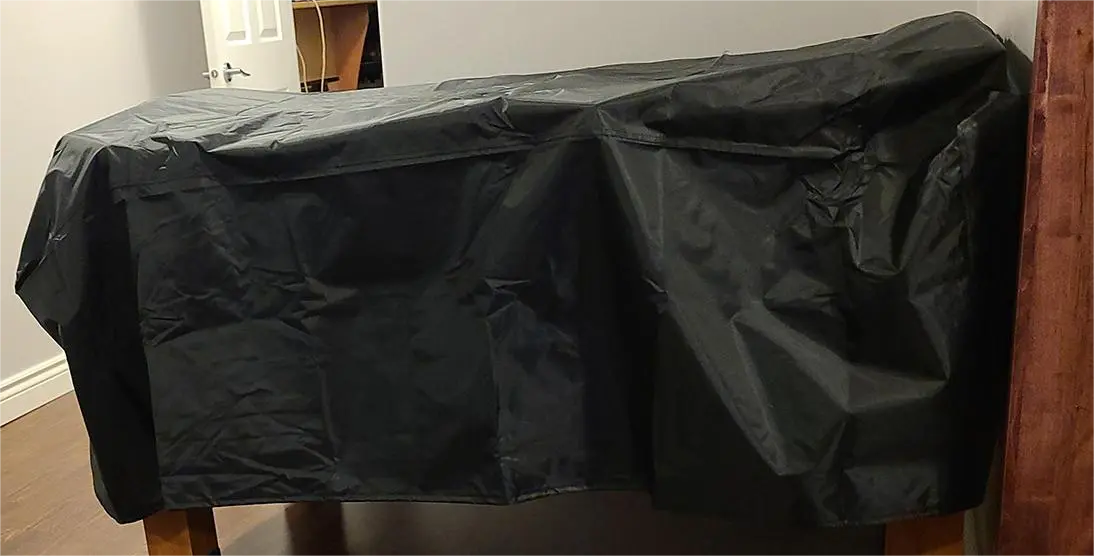
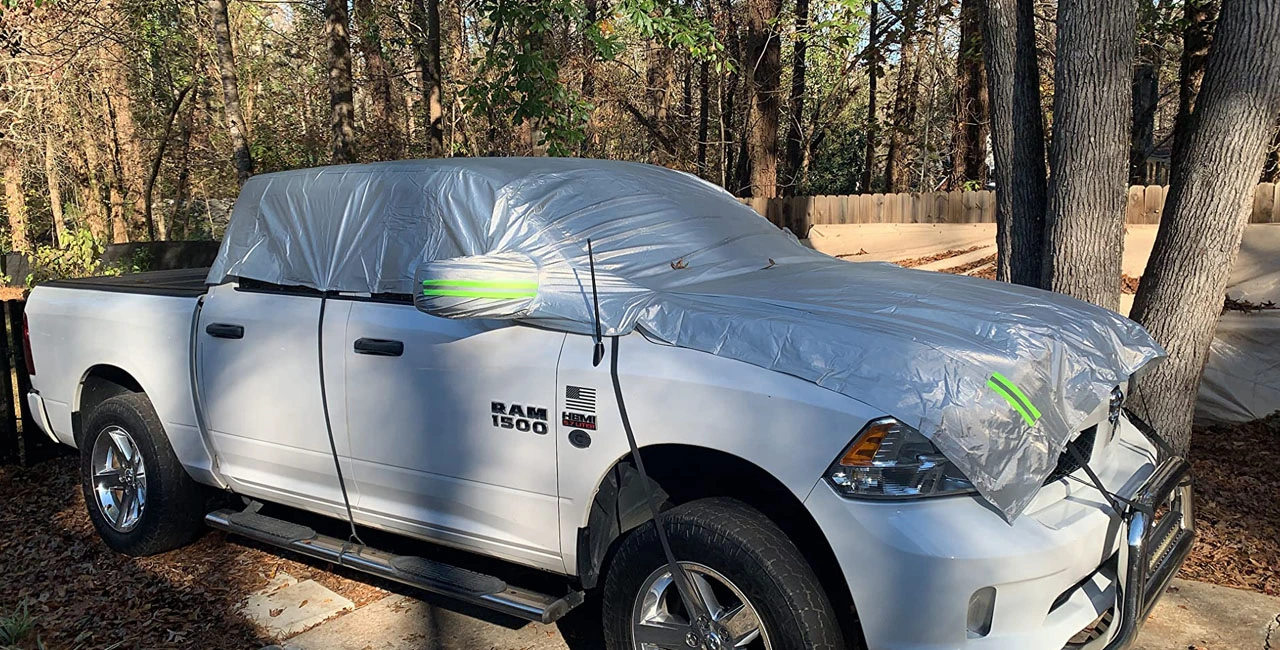
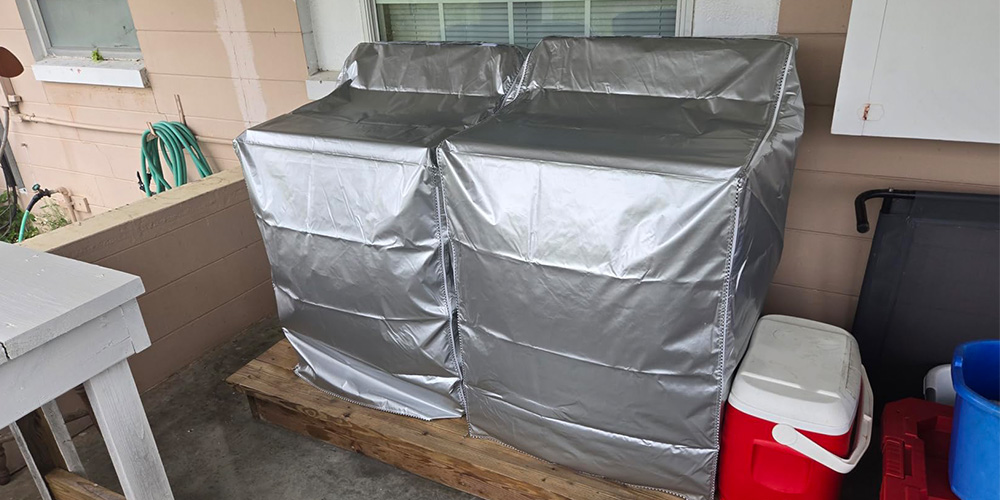
The real test of a car cover begins when the weather turns against it. Rain is only one challenge. Sunlight, wind, dust and hail can all affect both the vehicle and the cover, while customers still expect the product to be easy to install, remove and store. For OEM buyers, this means a car cover cannot be evaluated by fabric alone. Its pattern, layers, seams and fastening system all contribute to the final result.
This becomes especially important when developing a hail protector car cover. Additional protection may be needed to reduce the effect of hail impact, but the finished cover should not become unnecessarily bulky or difficult to handle. The most practical approach is to define the intended protection first and then select the material and construction around the actual vehicle.
A Car Cover Is a Multi-Variable Product
A car cover may need to protect against dust, rain, sunlight, wind and physical contact at the same time. These requirements can influence one another. A heavier construction may provide more protection but require more storage space. A close-fitting pattern may look better but demand more accurate dimensions. A highly water-resistant material may also need attention to breathability and moisture management.
OEM buyers should therefore define the application before selecting the fabric. A cover for indoor storage has different priorities from one designed for long-term outdoor use. Packaging should also be considered early because the finished product needs to be folded, stored and transported efficiently.
Indoor and Outdoor Requirements Are Different
Indoor covers usually focus on dust protection, surface care and easy handling. When the vehicle remains inside a clean garage, a lighter construction may be more practical than a heavy weather-resistant material.
Outdoor covers face more demanding conditions. Rain creates moisture exposure, sunlight contributes to UV aging, and wind can repeatedly move the fabric across the vehicle. Frequent installation and removal also increase abrasion and seam stress.
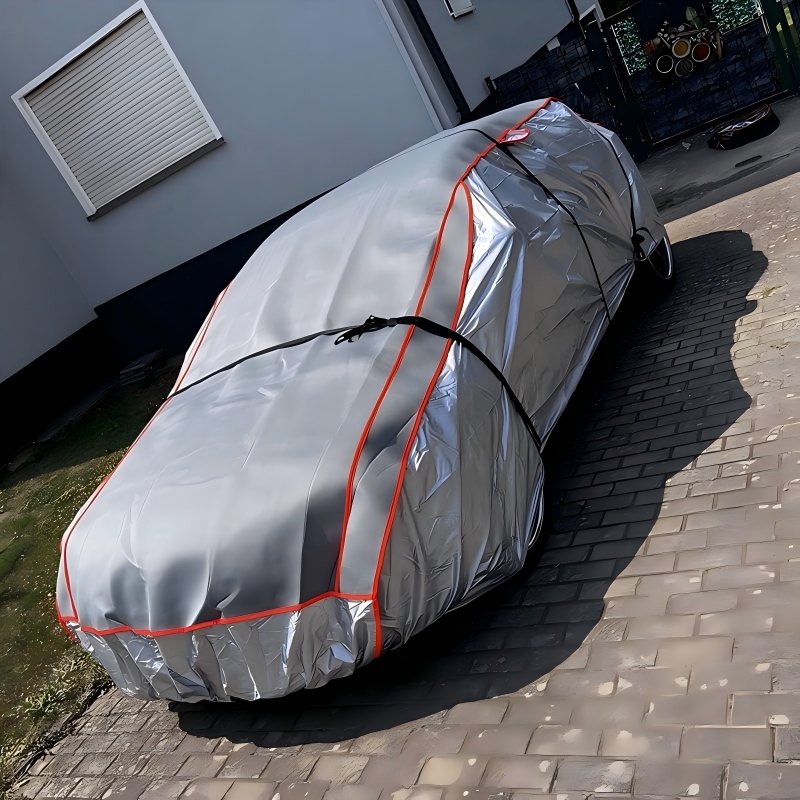
A hail protector car cover has an additional requirement: impact protection. Depending on the intended design, additional cushioning or layered construction may be incorporated between the outside environment and the vehicle surface. However, simply increasing fabric thickness does not automatically guarantee better protection. Material properties, layer structure, fit and construction all need to be considered together.
Fit, Elastic, and Tie-Down Features
A well-designed cover should follow the vehicle rather than simply being large enough to cover it. Roof shape, mirrors, bumpers, wheels, antennas and spoilers can all affect the pattern.
For OEM development, basic dimensions should be supported by photographs, drawings or an accurate vehicle reference. This makes it easier to determine where seams, elastic sections and fastening points should be positioned.
Elastic hems can help reduce excess material around the lower edge, while straps and buckles can improve stability when wind is expected. The objective is to achieve a secure fit without creating excessive pressure on painted surfaces.
This is particularly relevant to a hail protector car cover because additional protective layers may make the product thicker and less flexible than a standard outdoor cover. An accurate pattern helps prevent bunching and makes installation easier. Mirror pockets may also help define the cover's position when they match the target vehicle design.
Material and Layer Construction
Woven fabrics, nonwoven materials and coated textiles can all be used for car covers. The appropriate option depends on water resistance, UV exposure, tear strength, abrasion resistance, surface softness and flexibility.
For outdoor products, the outer layer needs to withstand environmental exposure, while the inner surface should be suitable for contact with the vehicle. A material that performs well against rain is not automatically the best choice if its surface characteristics are unsuitable for painted areas.
For a hail protector car cover, multi-layer construction can provide additional cushioning. The exact arrangement should be determined by the intended protection level and validated through appropriate testing rather than by layer count alone.
Handling is also important. A cover that is difficult to fold or store may create a poor customer experience, particularly when it is used frequently. OEM buyers should therefore evaluate both protective performance and everyday practicality.
Comparing Common Car Cover Construction Approaches
| Construction | Main Benefit | Potential Trade-Off | Typical Use |
|---|
| Lightweight single-layer fabric | Easy handling and compact storage | Less suitable for severe weather | Indoor or light-duty protection |
| Coated outdoor fabric | Good general weather resistance | May require moisture-management considerations | Outdoor vehicle protection |
| Multi-layer construction | Can provide additional cushioning | Heavier and bulkier | Specialized protection such as hail |
| Elastic hem | Helps maintain a closer fit | Limited adjustment | Vehicles with defined body contours |
| Straps and buckles | Can improve stability in wind | Requires additional installation | Outdoor applications |
This comparison is a general guide. The final construction should be selected according to the vehicle, climate, protection requirements and intended customer use.
Sampling and Quality Control
A sample should be tested on the intended vehicle whenever possible. A flat sample can confirm basic dimensions, but only an installed sample shows how the cover behaves around curved body panels, mirrors and other features.
Check the overall fit first, then inspect seams, hems, elastic sections and fastening points. These areas experience repeated stress during installation and removal. For outdoor covers, the validation process should also address water resistance, UV-related requirements and general durability according to the product specification.
If the product is marketed as a hail protector car cover, impact-protection claims should be supported by an appropriate test method. Buyers should avoid treating thickness or appearance as proof of performance.
How to Write a Better Car Cover RFQ
A clear RFQ helps suppliers recommend the right construction instead of quoting a generic cover. Include the target vehicle type, dimensions, intended environment and required protection level. If hail protection is required, state it directly and explain the expected application.
Material requirements can include water resistance, UV performance, tear strength, breathability, surface softness and flexibility. Also specify color, logo placement, packaging and features such as mirror pockets, elastic hems, straps or buckles.
OEMCOVER's product range provides a useful reference when reviewing vehicle protection configurations. Once the vehicle dimensions and requirements are prepared, buyers can contact OEMCOVER to discuss the appropriate cover structure in more detail.
Conclusion
A reliable car cover is the result of several decisions working together. Material determines how the product responds to the environment, while fit, layers, seams and fastening affect protection and usability.
A hail protector car cover requires particular attention because impact protection must be balanced with weight, flexibility and storage. The best product is not necessarily the thickest one, but the one whose construction is matched to the intended vehicle and weather conditions.
For OEM buyers, the most dependable process is to define the application first, provide accurate vehicle information, develop a representative sample and validate the finished construction before bulk production. This reduces avoidable revisions and creates a clearer basis for consistent product quality.
FAQ
1. What is a hail protector car cover?
A hail protector car cover is designed with additional protective construction intended to help reduce the effect of hail impact on a vehicle.
2. Is a hail protector car cover waterproof?
It can be designed for water resistance as well as impact protection, but the two requirements should be specified and evaluated separately.
3. Does a thicker cover always provide better hail protection?
No. Layer structure, cushioning, material properties and overall construction are also important.
4. How should a car cover fit?
It should provide complete coverage without excessive tension or loose material. The correct fit depends on the vehicle and fastening design.
5. What should an OEM buyer include in an RFQ?
Include vehicle dimensions, application environment, protection requirements, material preferences, fastening features, color, branding and packaging details.
6. How should a car cover sample be tested?
Install it on the intended or representative vehicle and check fit, seams, fastening, handling and relevant weather or impact-protection performance.

 English
  Deutsch
  中文
中文