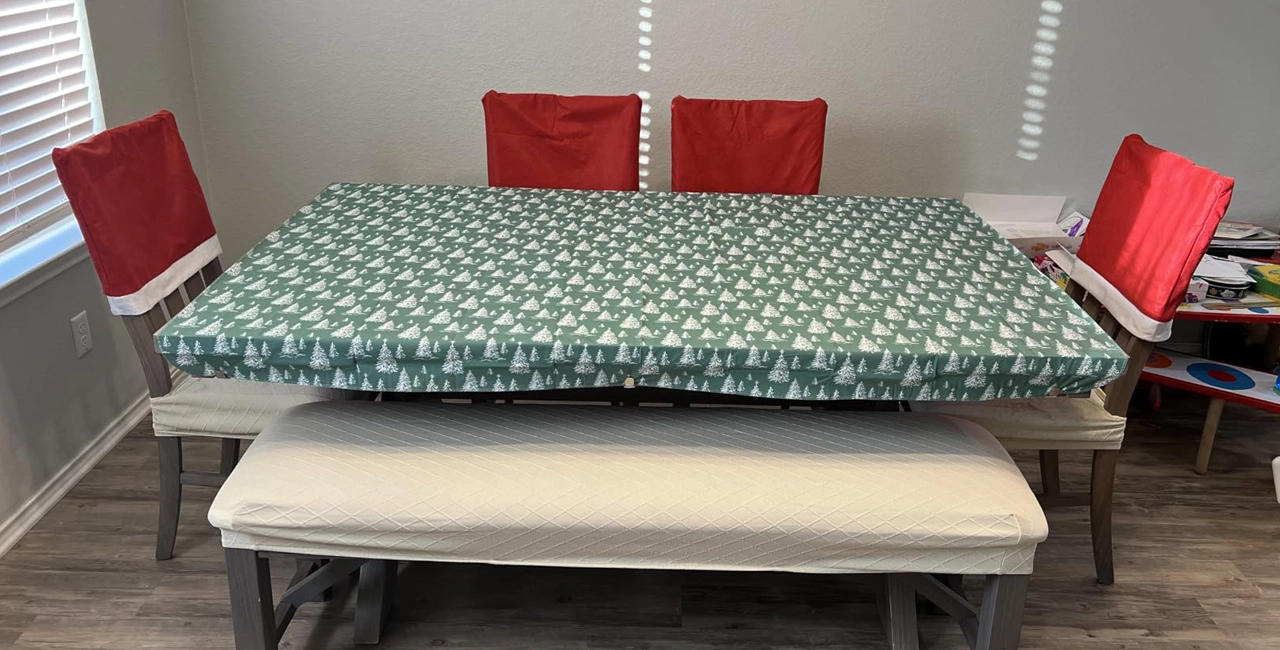
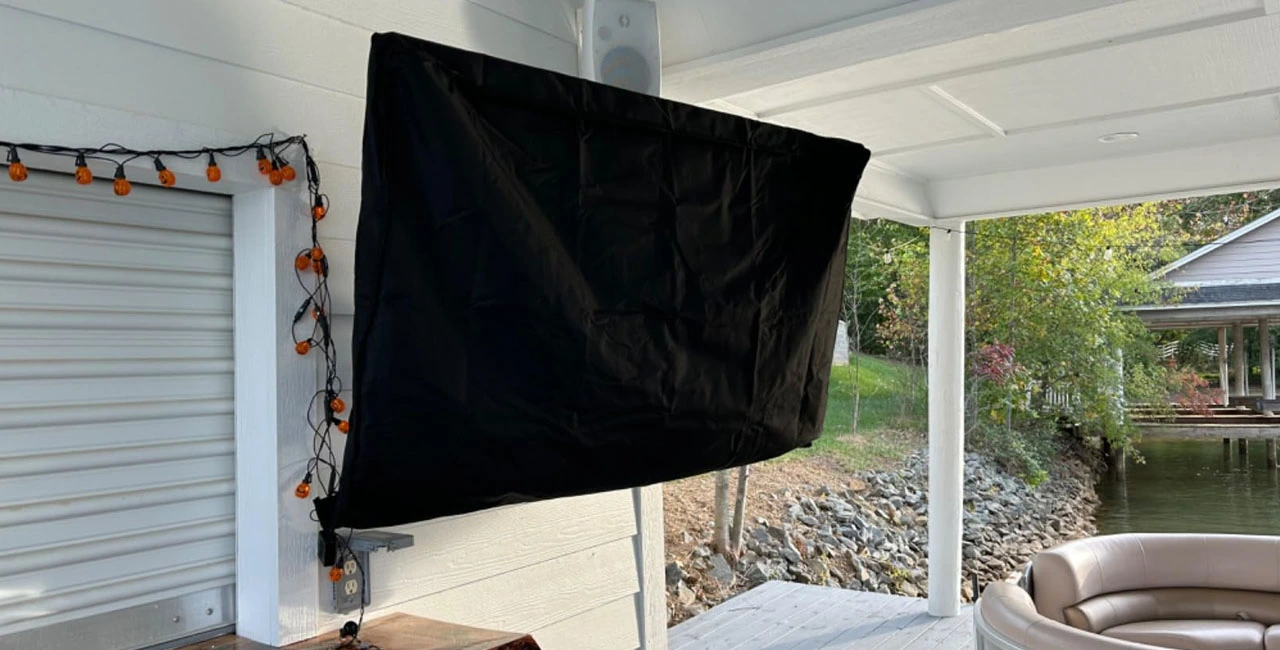
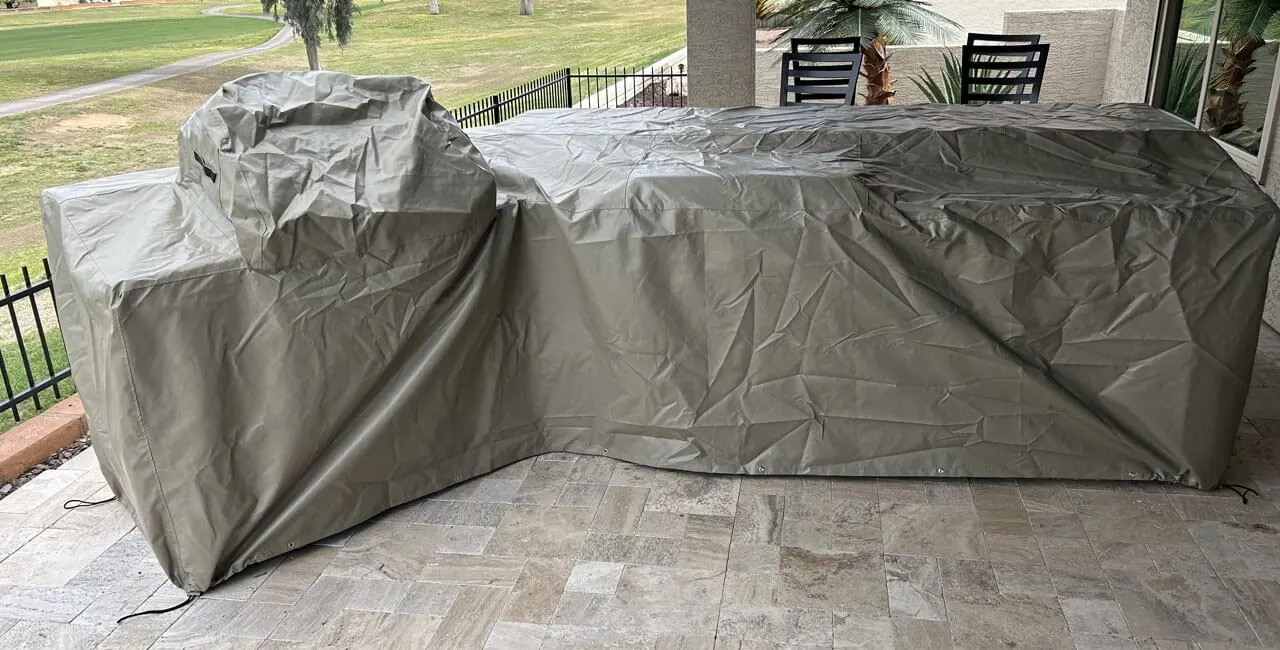
A protective cover may look like a simple accessory, but its performance depends on details that are easy to overlook. A few centimeters of extra space can change how a cover moves in the wind. A poorly positioned seam can become a stress point, while the wrong fabric may protect against rain but become difficult to handle after repeated use.
For OEM buyers, the better approach is to consider the cover as a complete protection system. Fit, fabric, seams, fastening and access all need to support the intended application. This is especially true for a vehicle cover, which must follow a complex exterior shape while remaining practical to install, remove and store.
What Equipment Sleeves Need to Protect
Protective sleeves are used for different reasons. Some keep dust and dirt away from equipment during storage. Others protect surfaces from scratches, moisture, sunlight or handling damage during transportation and outdoor use. Because the risks are different, the cover should be specified according to the environment rather than based on a generic material choice.
Indoor applications may place greater emphasis on lightweight construction and surface protection. Outdoor applications usually require greater attention to water resistance, UV exposure, wind and abrasion. Equipment that is covered and uncovered frequently also needs seams and closures that can tolerate repeated handling.
A vehicle cover demonstrates this balance clearly. A vehicle may remain outdoors for long periods, but the cover itself still needs to be manageable. If it is excessively heavy or awkward to install, customers may find it inconvenient to use regularly.
Fit Is the First Design Variable
Fit affects both protection and usability. A cover that is too tight can put unnecessary tension on seams and corners, while one that is too loose may move excessively and allow water or debris to collect in certain areas.
Start with the actual length, width and height of the equipment. Then identify features that change its overall profile, such as handles, connectors, control panels, mirrors, wheels or other protrusions. These details should be reflected in the pattern instead of being treated as minor variations.
Clearance also needs to be considered. A close-fitting design may provide a neat appearance and reduce movement, while additional room can make installation easier when the equipment has irregular geometry.
This is particularly important for a vehicle cover. Vehicles have curved roofs, mirrors, bumpers and wheel areas, so a simple rectangular measurement cannot describe the required shape accurately. Photographs from several angles can help suppliers understand these details before developing a sample.
Fabric Selection Should Follow the Environment
Material selection should come after the application has been defined. A cover used indoors does not necessarily need the same fabric specification as one that remains outside in direct sunlight and rain.
For outdoor applications, water resistance is an obvious consideration, but UV exposure, abrasion and tear resistance also influence service performance. The coating and fabric construction should be considered together because the finished cover needs to perform at seams and edges as well as across the main fabric panels.
Handling is another practical factor. A material that is extremely heavy may offer strong protection but make a large cover inconvenient to fold and store. For covers that are installed frequently, a reasonable balance between durability and flexibility is often more useful than simply selecting the heaviest available fabric.
Moisture management should also be considered. Depending on the application and climate, ventilation may help reduce moisture accumulation beneath the cover. The appropriate design depends on the required level of weather protection and how long the equipment normally remains covered.
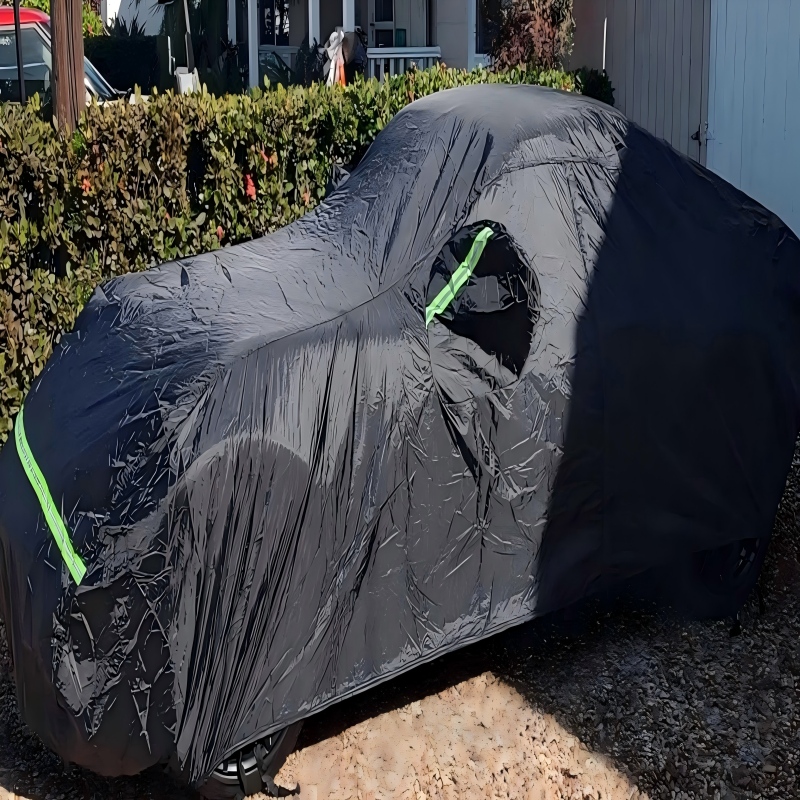
Closure and Access Design
A cover needs to stay in position, but the fastening system should not make normal use unnecessarily complicated. Elastic openings, drawcords, buckles, hook-and-loop closures and zippers each solve different problems.
Elastic can create a simple close fit around suitable shapes. Drawcords allow tension to be adjusted, while buckles can provide more controlled fastening for larger covers. Hook-and-loop systems can be convenient when frequent access is required, and zippers are useful where a defined opening is needed.
The best choice depends on how the product will actually be used. If operators need access to a connector or control panel, a dedicated opening may be more practical than removing the entire sleeve. Large covers can also benefit from segmented construction because smaller sections are easier to handle.
For a vehicle cover, the fastening system should reflect the vehicle's shape and expected exposure to wind. Security matters, but the customer should still be able to put the cover on and take it off without an unnecessarily complicated process.
Comparing Protective Cover Construction Options
| Construction | Main Benefit | Potential Limitation | Typical Application |
|---|
| Close-fitting design | Neat appearance and less movement | Requires accurate measurements | Equipment with defined geometry |
| Relaxed-fit design | Easier installation | Can move more in windy conditions | Large equipment or frequent handling |
| Elastic opening | Quick installation | Less adjustable | Smaller or regularly shaped products |
| Drawcord or buckle | Adjustable fastening | Requires additional handling | Outdoor applications |
| Segmented design | Easier handling of large covers | More seams and construction points | Large equipment and vehicle protection |
This table is a general design reference. Actual performance depends on the specific material, construction, dimensions and environment, so the final configuration should be confirmed through sampling.
OEM Customization and Branding
OEM customization should start with function rather than branding. Dimensions, material, color, fastening, labels and packaging should first be matched to the product's intended use. Branding can then be incorporated into the finished design without compromising practicality.
For buyers comparing different protection solutions, the OEMCOVER product range offers a useful starting point for reviewing cover categories. A vehicle cover, for example, requires a different pattern from a compact equipment sleeve even though both products are designed to protect valuable assets from external conditions.
When requesting a customized cover, providing dimensions and photographs early can significantly improve communication. It allows the supplier to consider the actual shape when positioning seams, closures and access points. Packaging should also be considered because large covers need to be folded and stored efficiently after use.
How to Approve a Sleeve Sample
The sample should be tested on the actual equipment whenever possible. Check whether it reaches all required areas, whether it can be installed without excessive effort and whether it can be removed and folded conveniently.
Inspect corners, seams and fastening points carefully because these areas can experience greater stress than the main fabric panels. If the cover will be used outdoors, evaluate its water resistance and consider the expected UV exposure and handling conditions.
For a vehicle cover, pay particular attention to mirrors, corners, wheel areas and fastening locations. A cover can look correct when laid flat but behave differently once installed on the vehicle.
Once the sample has been approved, the important dimensions, material specification and construction details should be documented clearly. This creates a repeatable reference for future production and reduces the possibility of differences between batches.
Building a Clear OEM Specification
A practical specification should include the equipment type, dimensions, intended environment and required protection level. Add material requirements, color, closure method, access requirements, branding details and packaging expectations where relevant.
It is useful to separate fixed requirements from flexible preferences. For example, the dimensions and required coverage may be non-negotiable, while the exact fastening configuration may be adjusted if testing shows that another solution provides a better user experience.
For a vehicle protection project, buyers can provide the vehicle dimensions, photographs and intended use before the design is finalized. If you already have these details available, you can contact OEMCOVER to discuss the required configuration and move the conversation from a general product inquiry toward a more specific specification.
Conclusion
A protective sleeve performs well when the material, fit and construction are developed around the equipment rather than selected independently. Fit controls coverage and movement, fabric determines how the product responds to the environment, and closures affect both security and everyday usability.
The same principle applies to a vehicle cover. The best design is not simply the most waterproof or heaviest option. It is the one that provides suitable protection while fitting the vehicle correctly and remaining convenient for customers to use.
For OEM buyers, defining the application first, developing the design around real dimensions and testing a representative sample is the most practical way to reduce revisions and achieve consistent production quality.
FAQ
1. What is the most important factor when designing a protective sleeve?
Fit is fundamental because incorrect dimensions can create gaps, tension and installation problems. Equipment geometry should be considered before finalizing the design.
2. What material is suitable for a vehicle cover?
The choice depends on outdoor exposure, water resistance, UV conditions, durability and handling frequency. The application should determine the material specification.
3. Should a vehicle cover fit tightly?
It should provide appropriate coverage without excessive tension. The ideal fit depends on vehicle shape, fastening and intended use.
4. Which closure is best for an outdoor cover?
Elastic, drawcords, buckles, hook-and-loop and zippers can all work. The best option depends on the equipment shape and how often the cover is installed.
5. What information should an OEM buyer provide?
Provide dimensions, photographs, intended environment, material requirements, closure preferences, color, branding and packaging details.
6. How should a cover sample be evaluated?
Install it on representative equipment and check fit, installation, removal, seams, closures and material behavior under realistic conditions.

 English
  Deutsch
  中文
中文