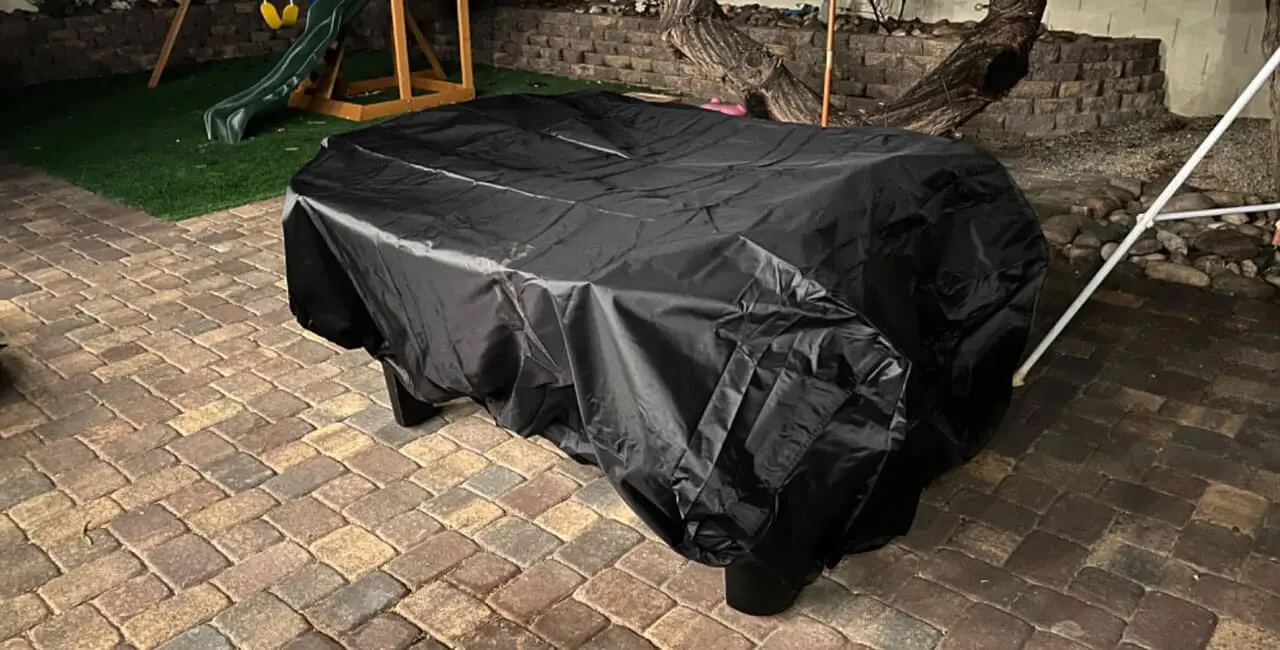
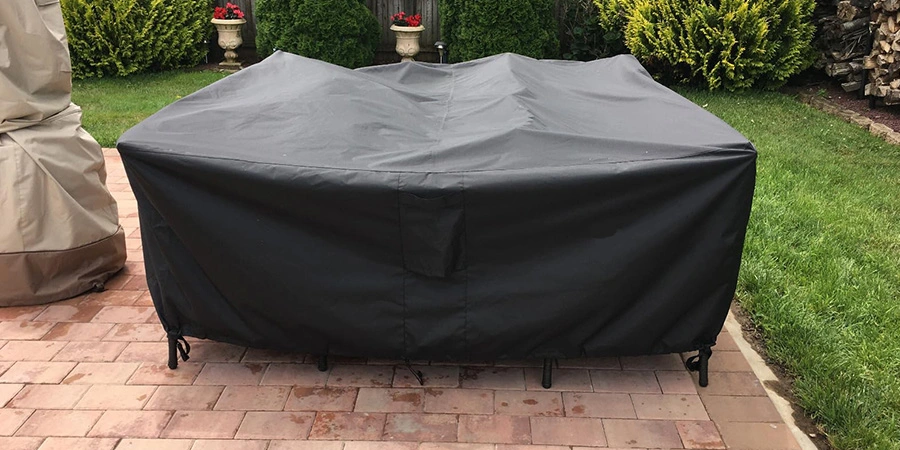
Indoor car covers protect against dust, fingerprints, and incidental contact, but the wrong fabric can haze paint, trap contamination, or transfer dye. A showroom prioritizes presentation and rapid handling; long-term collector storage may prioritize breathability, low lint, and stable contact with delicate finishes.
The vehicle must be clean before covering. No textile can safely slide over abrasive dust without some risk to the finish.
Separate Indoor Needs from Outdoor Claims
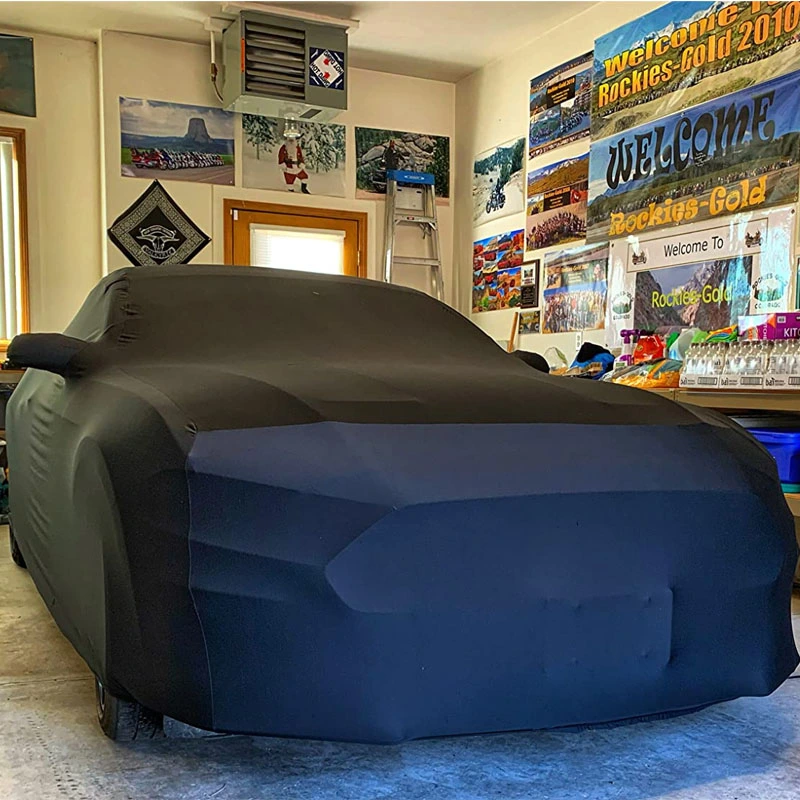
A soft, stretchable indoor cover can give a tailored silhouette and gentle contact, yet may offer little rain or UV protection. Adding a heavy waterproof coating can reduce breathability and increase stiffness without benefiting a climate-controlled showroom.
When sourcing OEM indoor car covers, define the storage environment, handling frequency, finish type, and expected contamination. Do not market an indoor construction for outdoor weather unless separately tested.
Evaluate the Contact Surface
Softness and seam allowance orientation at paint contact
Lint and fiber shedding after repeated use/washing
Color transfer under heat, humidity, and pressure
Abrasion against representative clearcoat or special finish
Compatibility with fresh paint, wrap, matte coating, or trim materials
Cleanliness of cutting, sewing, and packing operations
A generic ‘scratchproof’ claim is unsafe. Test representative panels with controlled contamination, load, and cycles, and state the limitations of use.
Choose Stretch and Pattern Strategy
| Design | Benefit | Trade-off |
|---|
| High-stretch fitted | Premium silhouette and fewer loose folds | More size-specific; can press dirt against paint |
| Semi-fitted woven | Easier grade across models | More folds and possible movement |
| Custom mirror pockets | Improved fit and branding | Adds pattern/SKU complexity |
| Generic mirror volume | Fits variants | Less tailored appearance |
Use body hard points and maximum envelope, including spoilers, mirrors, and antennas. Identify removable components and provide installation instructions rather than forcing the fabric over a sharp feature.
Seams, Closures and Identification
Orient seams and labels away from high-visibility paint contact. Cover or soften closure hardware. Front/rear markers and a storage bag improve handling; a central logo must be aligned when the cover is installed, not only when the pattern lies flat.
For fleets or events, add size/style codes that staff can read before unfolding. Traceability labels should not create a hard edge against the car.
Qualification for a Premium Program
Approve fabric hand, shade, stretch, and contact surface.
Fit the smallest/largest target vehicle variants.
Cycle installation, removal, folding, and storage.
Test lint, color transfer, seam strength, and wash/care behavior.
Inspect representative paint/trim panels after contact testing.
Freeze pattern, material lots, logo, and pack-out standard.
Frequently Asked Questions
Should an indoor car cover be waterproof?
Usually dust protection, softness, and breathability are more important indoors. Waterproofing is useful only when the environment requires it.
Can a cover be used on a freshly painted vehicle?
Follow the paint system’s cure guidance and confirm material compatibility. Do not trap solvents or press fabric onto uncured finishes.
What causes micro-scratches under a cover?
Contamination on the vehicle or cover, fabric movement, hard seams/hardware, and unsuitable contact materials can contribute.
Can one size cover several car models?
A semi-fitted size range can, but premium fit normally requires model groups or custom patterns.
Define the Finish and Handling Standard
OEMCOVER can sample fabrics and patterns for showroom, collector, or automotive-brand programs. Provide vehicle data, finish types, indoor conditions, branding, packaging, and acceptance tests for a controlled OEM specification.

 English
  Deutsch
  中文
中文