Lightfastness refers to a fabric’s ability to resist color fading when exposed to sunlight or ultraviolet (UV) radiation. Different countries and regions have varying test standards for evaluating lightfastness, with ISO 105-B02 (International Standard) and AATCC 16 (U.S. Standard) being the most commonly used systems.
1. ISO 105-B02 (International Standard) Analysis
Overview of ISO 105-B02
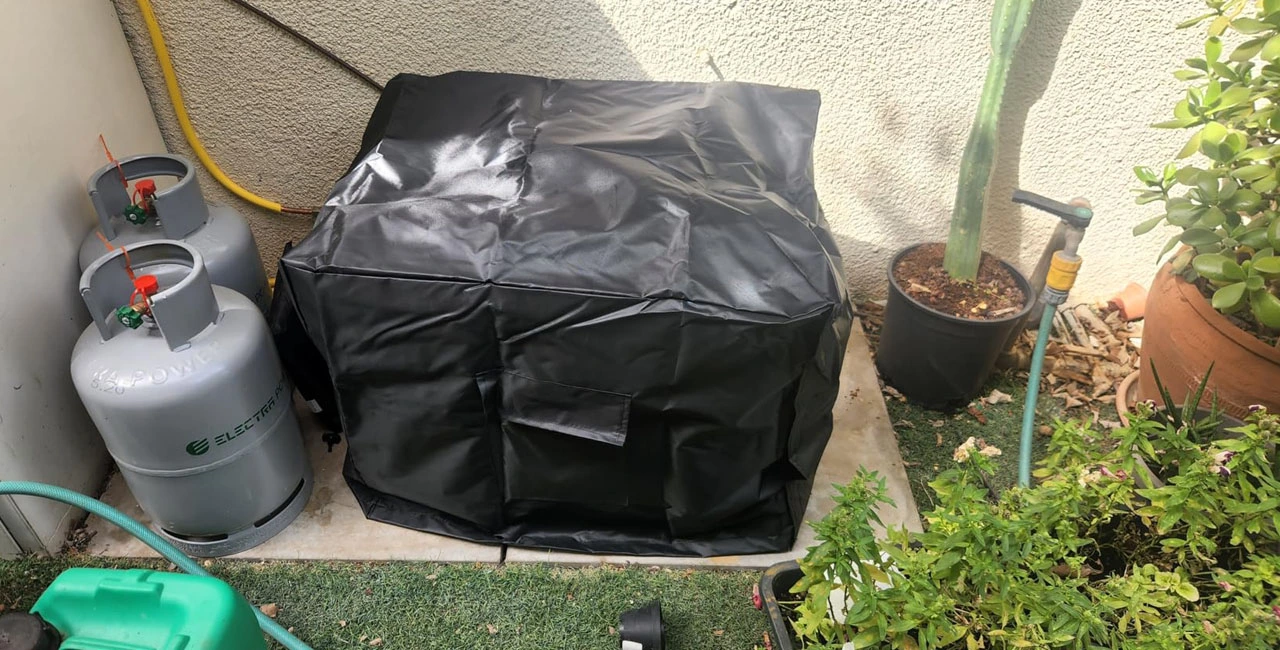
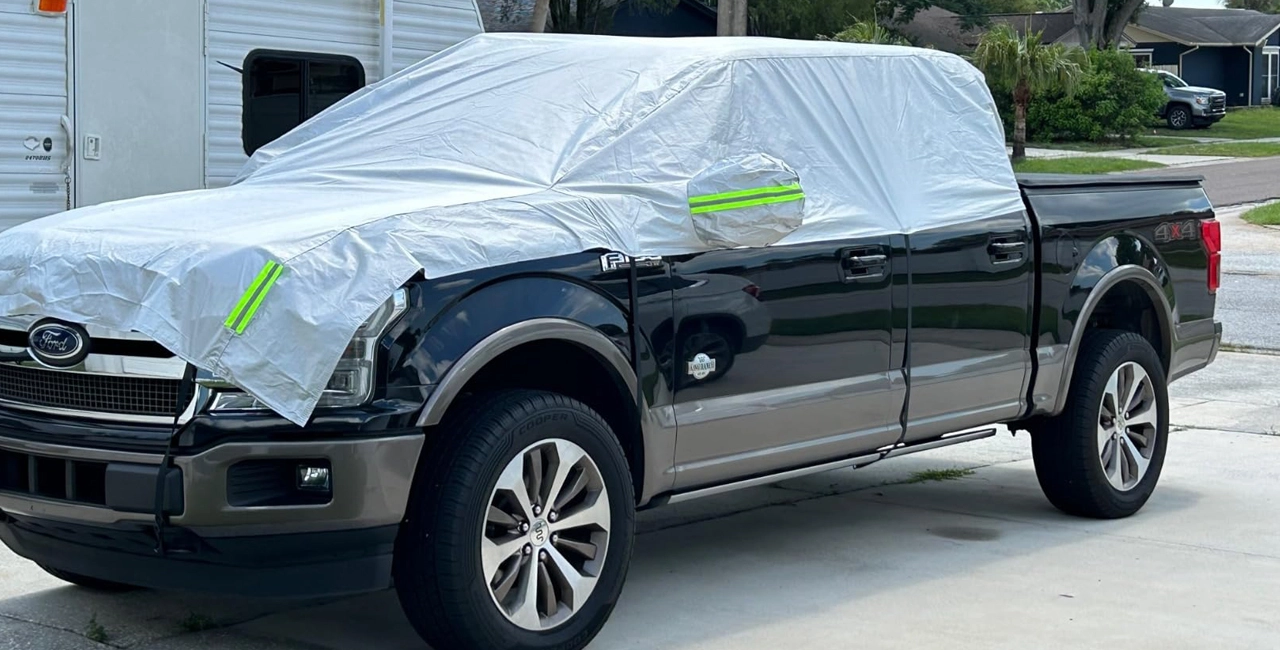
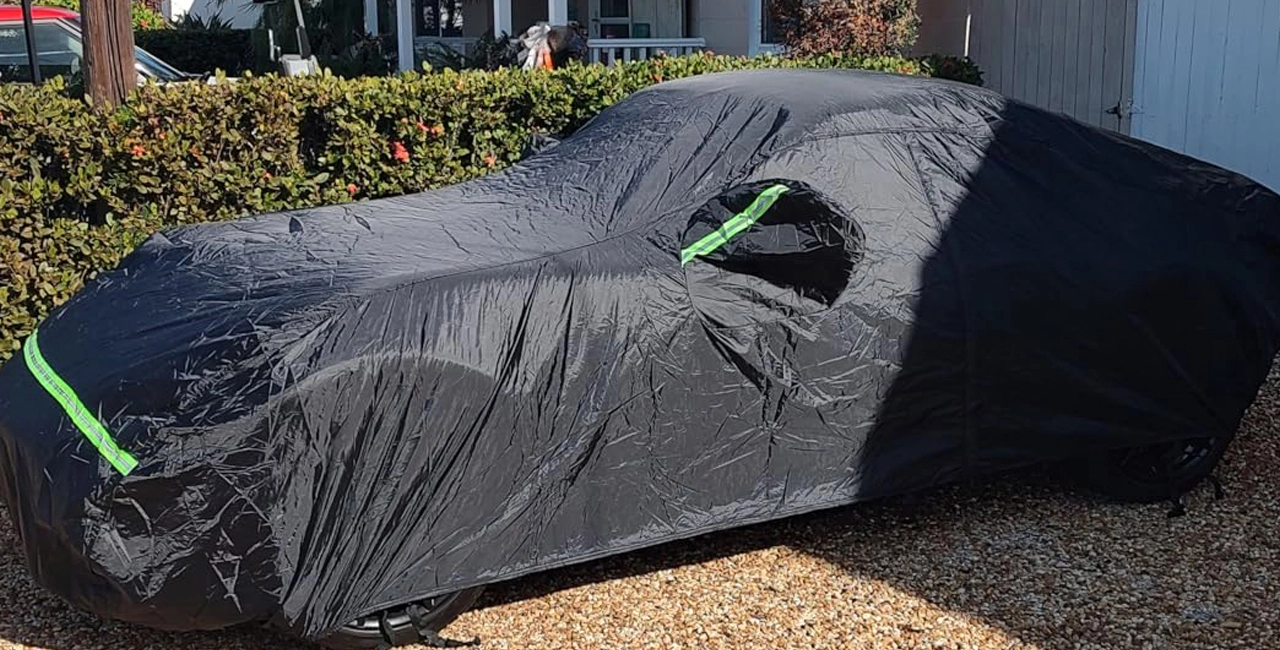
ISO 105-B02 is an international lightfastness test method established by the International Organization for Standardization (ISO). It is widely used to assess the durability of textile colors under light exposure. This standard applies to apparel fabrics, outdoor textiles (such as car covers, tents, and sunshades), and industrial fabrics.
Test Method
Light Source: Xenon arc lamp simulating natural sunlight, with controlled temperature and humidity conditions.
Test Environment: Temperature of 50°C ± 5°C, relative humidity 40-60%.
Reference Standard: The sample is compared against the Blue Wool Scale to assess color changes.
Test Duration: Ranges from 24 hours to several hundred hours, depending on the required lightfastness level.
Lightfastness Rating (Scale 1-8)
ISO 105-B02 uses a 1-8 grading system, where 1 represents the poorest performance and 8 represents the best resistance to fading.
Grade | Performance Description | Applicable Fabrics |
Grade 1 | Extremely poor resistance to light, significant fading occurs quickly. | Low-end cotton fabrics, untreated textiles. |
Grade 2 | Slight exposure to sunlight results in visible fading. | Poorly dyed textiles. |
Grade 3 | Fading occurs after 1-2 weeks of sun exposure. | Basic indoor upholstery fabrics, low-end apparel. |
Grade 4 | Moderate lightfastness, noticeable fading after 2-3 weeks of exposure. | Standard clothing, automotive interior fabrics, indoor upholstery. |
Grade 5 | Good lightfastness, colors remain stable for up to one month. | Outdoor products (tents, car covers, sunshades). |
Grade 6 | High lightfastness, only slight fading after long-term exposure. | Premium outdoor textiles (boat covers, military-grade fabrics). |
Grade 7 | Excellent lightfastness, almost no fading under prolonged exposure. | Professional textiles (aviation, military, automotive industry fabrics). |
Grade 8 | Highest resistance to fading, colors remain unchanged even after extended sun exposure. | Specialized applications (protective gear, high-end outdoor equipment). |
Recommended Levels:
Standard car covers, furniture covers: Grade 4-5
Outdoor sunshades, tents, boat covers: Grade 5-6
Military-grade or protective textiles: Grade 6-8
2. AATCC 16 (U.S. Standard) Analysis
Overview of AATCC 16
AATCC 16 is a lightfastness testing standard developed by the American Association of Textile Chemists and Colorists (AATCC). It is the most widely used test in the U.S., particularly for apparel, home textiles, automotive interiors, and outdoor fabrics.
Test Method
Light Source: Uses either a xenon arc lamp or a carbon arc lamp to simulate natural sunlight exposure.
Test Environment: Temperature range 45-65°C, humidity 20-60% (broader range compared to ISO 105-B02).
Reference Standard: The test sample is evaluated using the Gray Scale or Blue Wool Scale.
Test Duration: Typically between 20 to 300 hours, depending on the fabric type and application.
Lightfastness Rating (Scale 1-5)
AATCC 16 uses a 1-5 grading system, where 1 represents the poorest resistance to fading, and 5 represents the best performance.
Grade | Performance Description | Applicable Fabrics |
Grade 1 | Extremely poor lightfastness, visible fading within a few hours. | Low-end cotton fabrics, untreated textiles. |
Grade 2 | Slight sun exposure results in noticeable fading. | Low-end clothing, basic home textiles. |
Grade 3 | Colors begin to fade after about a week of exposure. | Standard apparel, automotive seat fabrics, general upholstery. |
Grade 4 | Colors remain stable for 2-4 weeks of exposure. | Outdoor furniture, standard car covers. |
Grade 5 | High lightfastness, no significant fading for over a month. | Boat covers, premium outdoor textiles. |
Recommended Levels:
Standard car covers, home textiles: Grade 3-4
High-end outdoor products, boat covers: Grade 4-5
3. Comparison of ISO 105-B02 vs. AATCC 16
Standard | Light Source | Lightfastness Scale | Applicable Regions | Common Applications |
ISO 105-B02 | Xenon arc lamp | 1-8 | Global (Europe, Asia, International Markets) | Outdoor products, apparel, automotive seat fabrics, industrial textiles. |
AATCC 16 | Xenon arc lamp / Carbon arc lamp | 1-5 | North America (U.S., Canada) | Apparel, home textiles, outdoor sunshades, automotive interiors. |
For products exported to both Europe and North America, it is recommended to comply with both ISO 105-B02 and AATCC 16 standards
For high-end outdoor textiles (such as car covers, boat covers, and tents), it is advisable to meet at least ISO 105-B02 Grade 6 or AATCC 16 Grade 4.
Conclusion
ISO 105-B02 uses a 1-8 grading system, making it more suitable for high-performance outdoor products such as boat covers, tents, and military fabrics, with Grade 8 offering the highest lightfastness.
AATCC 16 uses a 1-5 grading system, which is commonly applied in the U.S. market for home textiles, automotive interiors, and apparel, with Grade 5 being the highest resistance to fading.
Car covers and furniture covers should meet at least ISO 105-B02 Grade 4-5 or AATCC 16 Grade 3-4.
Boat covers and high-end outdoor fabrics should meet at least ISO 105-B02 Grade 6 and AATCC 16 Grade 4-5.
By adhering to these standards, manufacturers can ensure that their products meet the necessary quality and durability expectations for different markets.

 English
  Deutsch
  中文
中文